
No products in the basket.
Guides
Cohana: The Regional Makers Behind a Japanese Sewing Box
A flower inside a glass pinhead. A tassel tied to tiny scissors. A ceramic button that holds a needle. Open a Cohana sewing box and several different Japanese workshops are represented in the space of your palm. The interesting part is finding out who makes each piece—and how their work meets.
1. The company behind Cohana
KAWAGUCHI Co., Ltd. was established in May 1953. Its work includes the planning and development of handicraft tools, materials, repair products and stationery. The company lists its headquarters in Nihonbashi, Tokyo, and a branch in Osaka. Cohana is one of its own brands. KAWAGUCHI company profile.
Cohana launched in 2016. The project brought KAWAGUCHI’s experience in developing tools together with the techniques of regional industries. Its stated purpose includes keeping those skills in use and supporting the places where they are practised. Practicality, selected materials and contemporary design all form part of the brief. About Cohana.

The brand’s own shop is on the ground floor of the KAWAGUCHI building in Nihonbashi. It presents the full Cohana collection in one place. The store introduction connects that Tokyo address with the many producing regions represented by the tools.
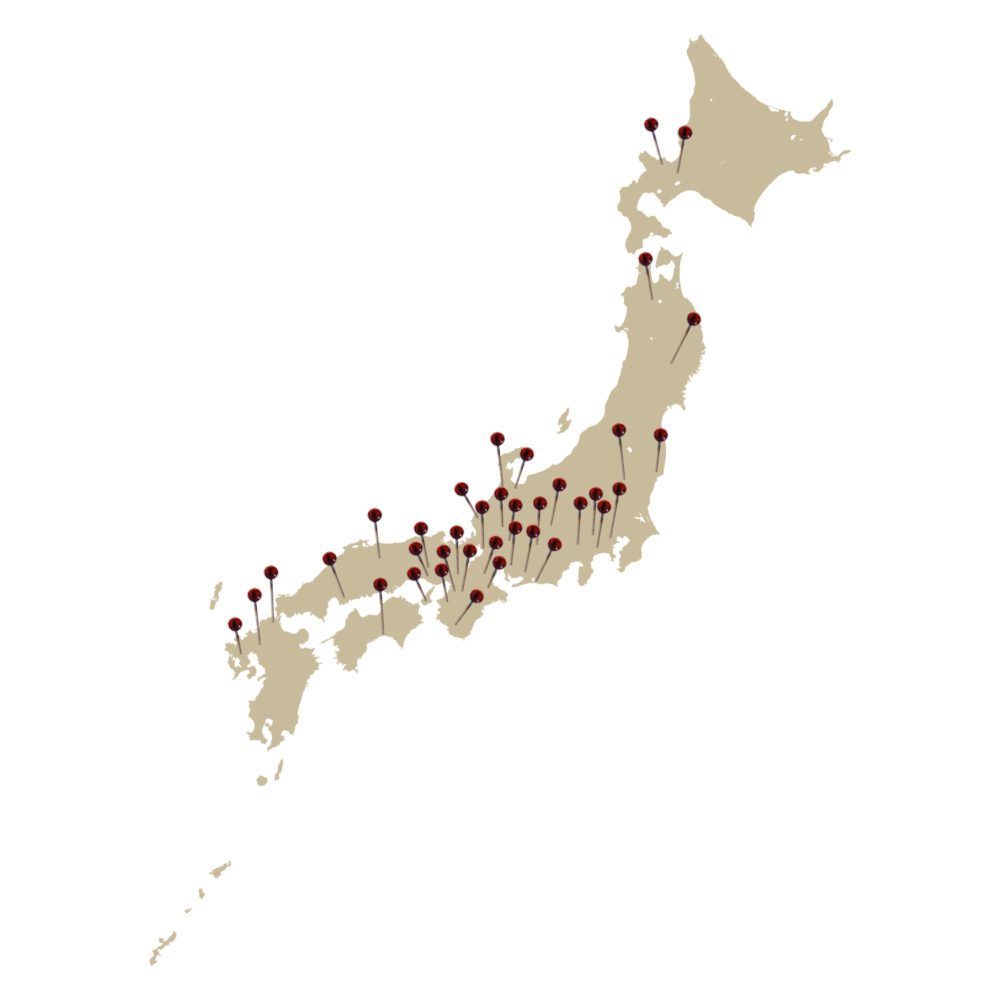
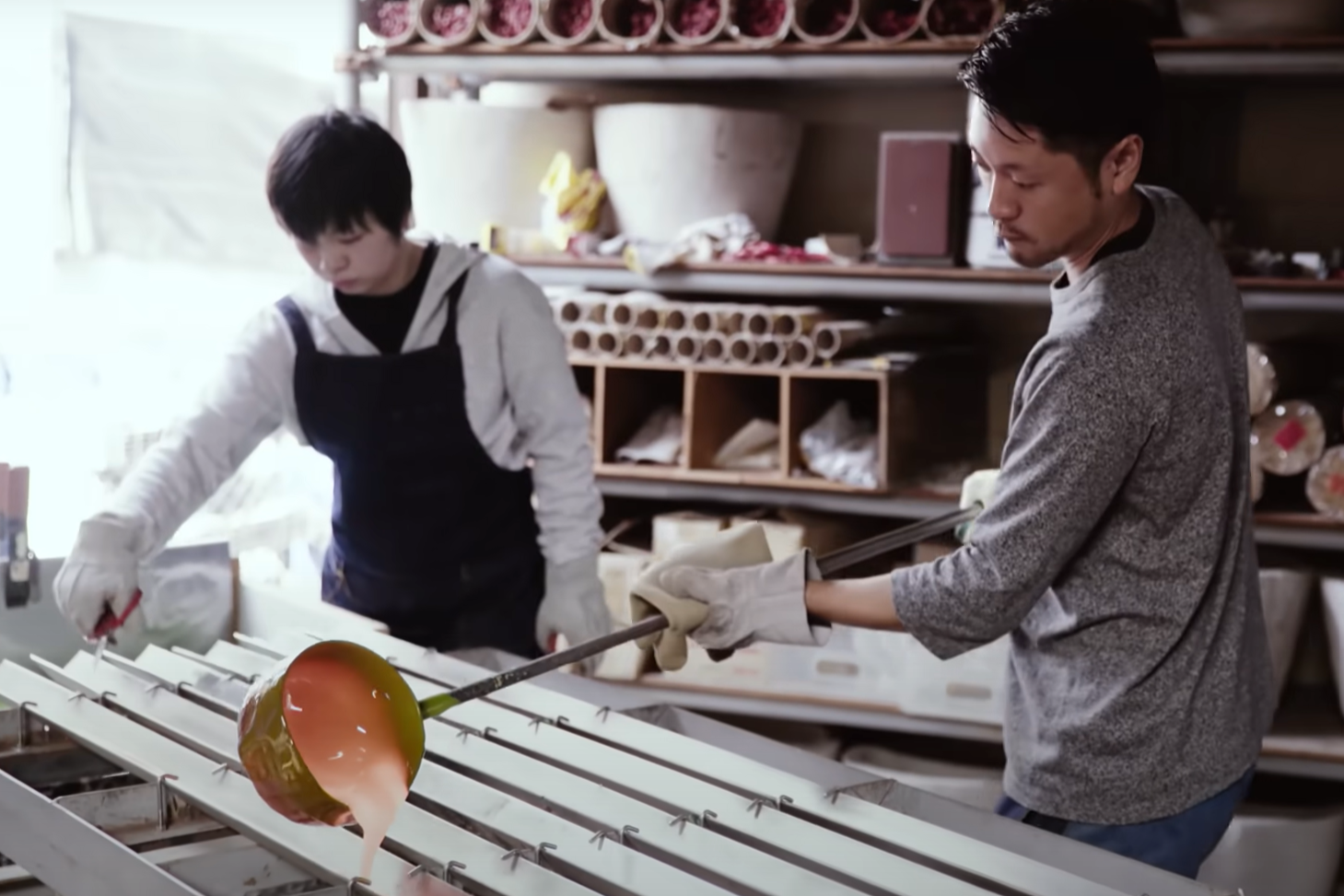
Cohana identifies the producers of individual components. Hasegawa makes the Seki Mini Scissors in Gifu; MARIMO makes their silk tassels in Fukuoka. Kinari supplies the glasswork for Tombo-dama pins, while Meizan Gama makes the Shigaraki button magnets in Shiga. These are separate workshops with different skills, brought together through the Cohana range. Scissors producers, glasswork, pottery producer.
2. Inside Kinari’s glasswork
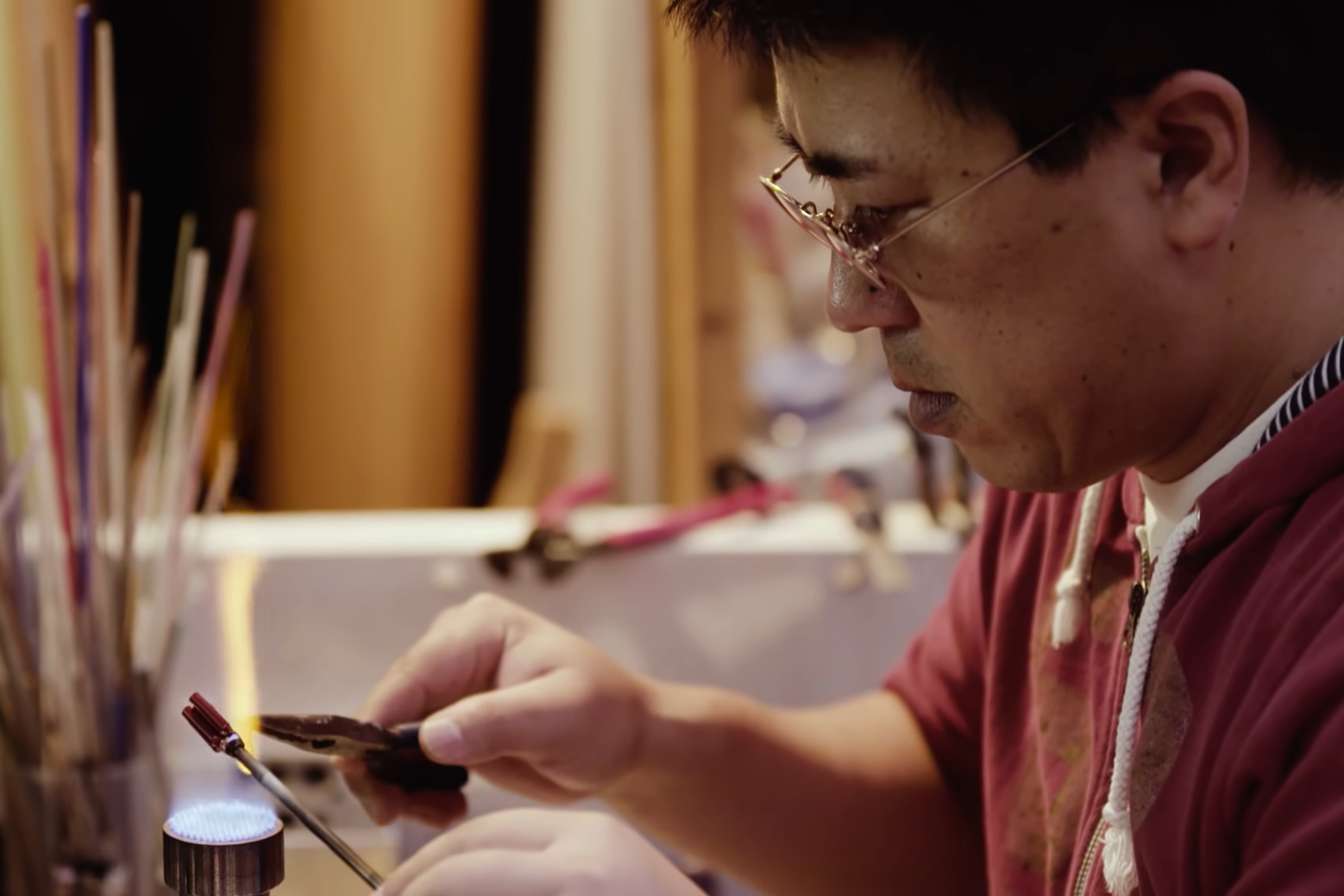
Kinari’s glasswork connects Osaka with its studio in Tanba Sasayama, Hyogo. For Cohana, the technical problem was fitting a clear pattern into a pinhead about five millimetres across. Kinari proposed using millefiori: patterned glass rods whose cross-sections preserve a design as the glass is drawn thinner.
The small pieces are worked with a burner and attached to needles made in Hiroshima. The heat must be controlled so that the pattern remains distinct while the glass takes its final form. This is the manufacturing story behind the flower inside a Tombo-dama pin, rather than a decoration added after the pin is finished. Cohana’s account of the collaboration.
Explore this part of the story: Cohana-Tombo-dama Sewing Pins and Cypress Pincushion Necklace in 5 colours.
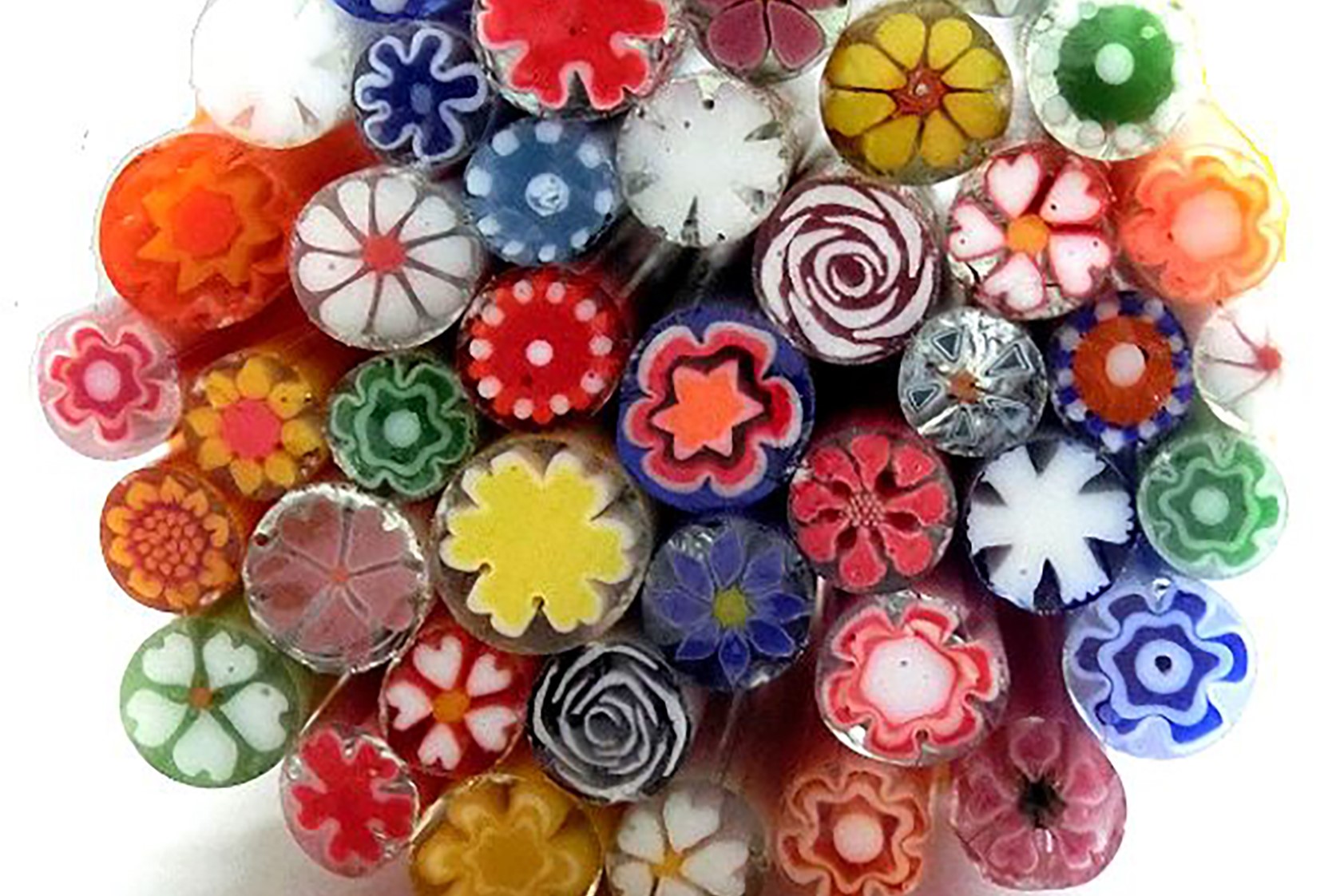
Pause between the photograph of the glassworker and the finished pin. The pattern is already present in the glass material; the maker has to preserve it through a change of scale. That makes the pinhead a useful object to study closely. Compare the little centres of the flowers, the space around them and the way light passes through the coloured glass.
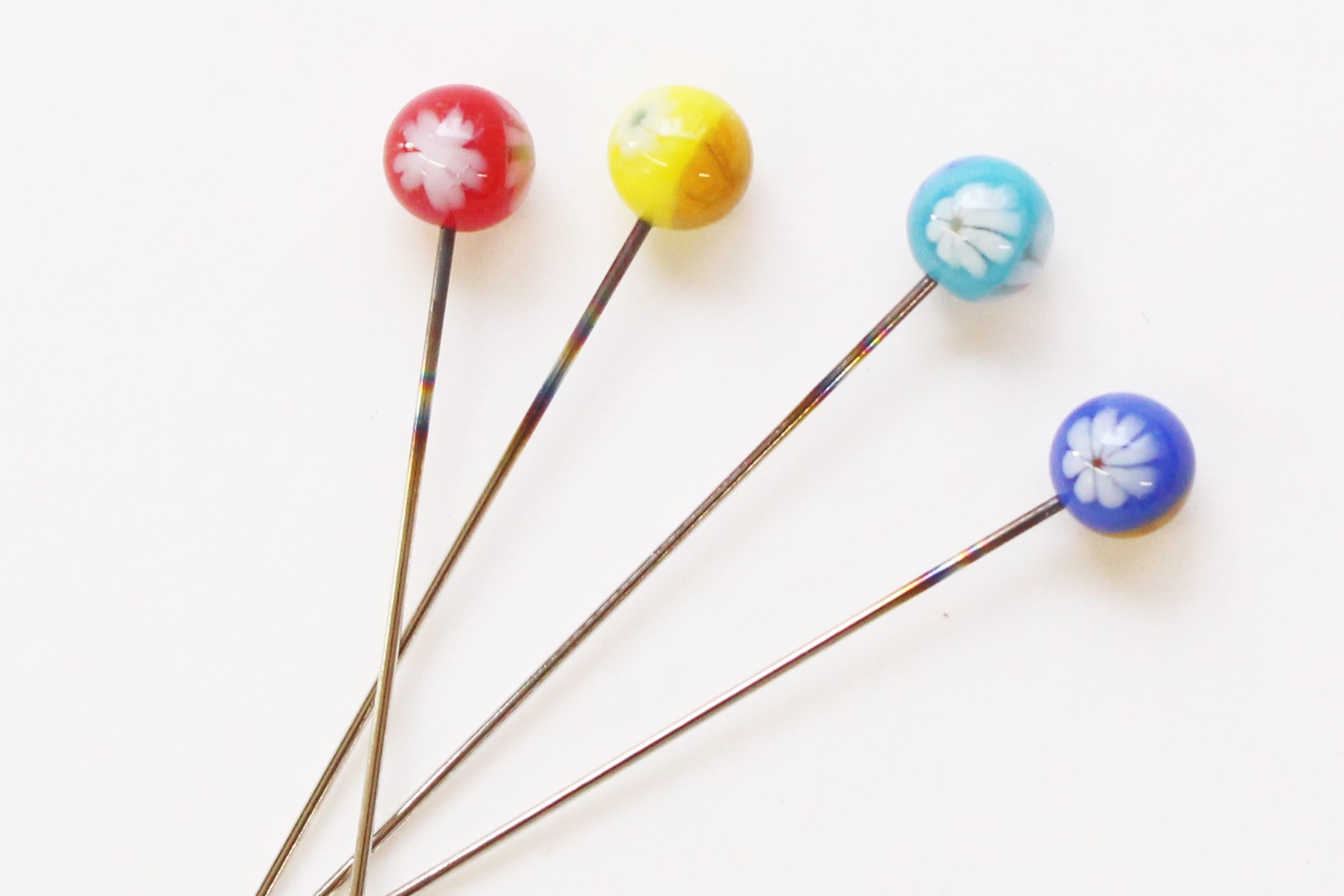
The material story continues beyond glass. A ceramic needle rest asks you to notice glaze and surface. A small pair of scissors asks you to notice the point where the blades meet. A folding textile bag asks you to notice how a flat piece becomes a useful container. Choosing a first Cohana piece can begin with whichever of those details interests you most.
3. Hasegawa’s blades and Meizan’s clay

Hasegawa Cutlery was established in 1933 in Seki. Cohana’s miniature scissors use a pinch action without finger loops; the maker’s explanation places particular emphasis on the alignment of the two blades. The silk tassel comes from a second specialist, MARIMO in Chikugo. Seki Mini Scissors: story and producers.
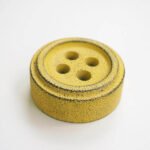
Meizan Gama traces its pottery business to 1622. Its button-shaped needle rest uses Shigaraki ceramic with a built-in magnet. Clay and glaze are part of the object’s character, with variations in finish described in the maker’s own guidance. Shigaraki Ware Button Magnet.
The categories below gather the Cohana products listed at Eight Needles. They show how the same network of makers reaches different parts of the sewing table.

4. One sewing box, several places

The pleasure of the collection is that the same task—keeping a needle, cutting a thread, carrying a tool—can be approached through different materials. There is no need to assemble every piece at once. A pin, snip or pouch can be a small starting point, with its maker story attached.
Our collection is arranged below by the work the objects do. Read the makers’ story first, then use the categories to find the part that would earn a place on your own table.
5. Explore the collection by category
Explore by category
Sewing sets and finishing tools
Sets combine several objects; seam rippers and other finishing tools complete the range. The product titles identify limited editions where applicable. A collection photograph is not a promise of current availability.
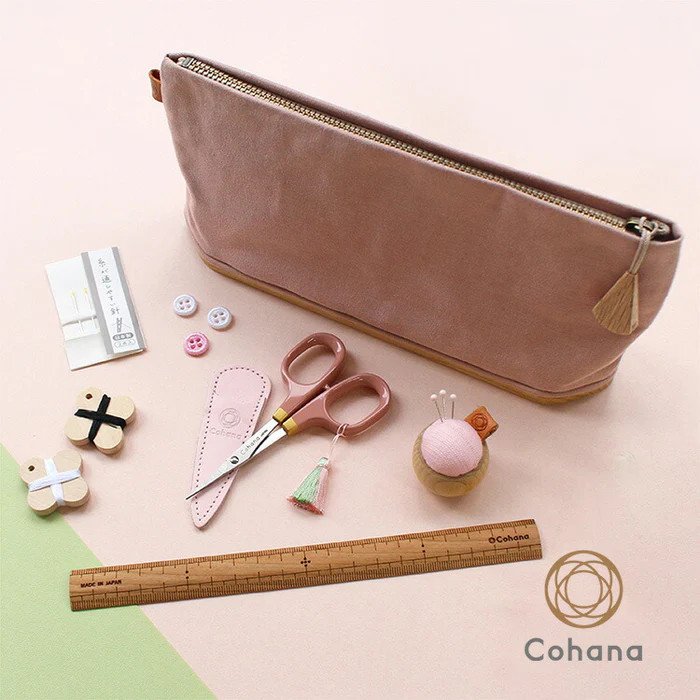 Cohana – Sakura Edition 2025 – 7 Sewing Item Set in Deluxe PouchView details & options →
Browse 5 more in this category
 Cohana – Sakura Edition 2025 – Mini Sewing Set in Wooden BoxView details & options →
 Cohana-Awaji Kawara Seam Ripper in 2 coloursView details & options →
 Cohana-Wooden Thread Spool in 7 coloursView details & options →
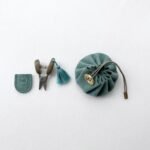 Cohana-Seki Mini Scissors and Mini Drawstring Pouch Setin 5 coloursView details & options →
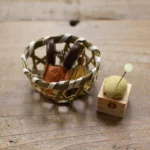 Cohana-Seki Mini Scissors and Mini Masu Pincushion in 5 coloursView details & options →
Pincushions, needle rests and holders
Cypress, masu-style wood, ceramic and kokeshi forms appear here. Shigaraki and Hasami pieces use pottery in needle storage; the Kokeshi Doll Pincushion gives a familiar wooden form a sewing function.
 Cohana – Sakura Edition 2025 – Wooden Needle MinderView details & options →
Browse 8 more in this category
 Cohana – Sakura Edition 2025 – Hasami Magnetic Pin Spool HolderView details & options →
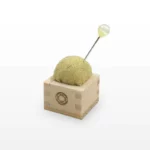 Cohana-Mini Masu Pincushion in 5 coloursView details & options →
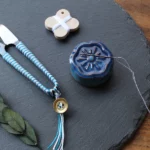 Cohana-Awaji Kawara Magnetic Needle Rest with Needle Polisher in 5 coloursView details & options →
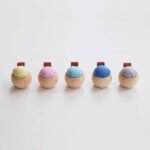 Cohana-Cypress Pincushion in 5 coloursView details & options →
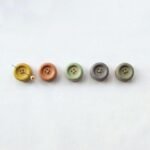 Cohana-Shigaraki Ware Button Magnet in 5 coloursView details & options →
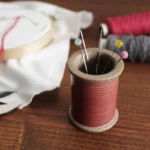 Cohana-Hasami Magnetic Pin Holder in 5 coloursView details & options →
 Cohana-Tombo-dama Sewing Pins and Cypress Pincushion Necklace in 5 coloursView details & options →
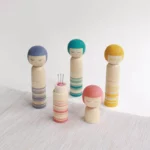 Cohana-Kokeshi Doll Pincushion in 4 coloursView details & options →
Needles and decorative pins
Glass, parquet wood and mizuhiki appear alongside needle packets and threaders. The Tombo-dama and Flower Parquet pins offer two different material traditions in the small space of a pinhead.
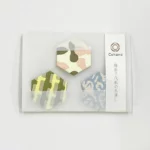 Cohana-Haibara Chiyogami Needle Threader (Pack of 3)View details & options →
Browse 7 more in this category
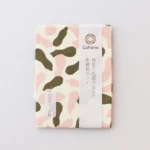 Cohana-Assorted Needles in Haibara Chiyogami Pack in 3 optionsView details & options →
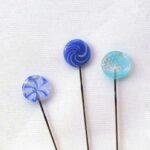 Cohana-Ohajiki Sewing Pins in 4 coloursView details & options →
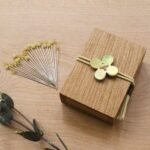 Cohana-Glass Sewing Pins in Cherry-Wood Box in 5 coloursView details & options →
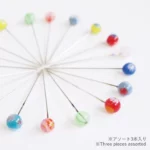 Cohana-Tombo-dama Sewing PinsView details & options →
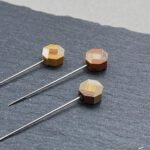 Cohana-Flower Parquet Sewing PinsView details & options →
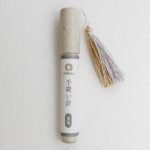 Cohana-Meboso Needles set in 2 sizesView details & options →
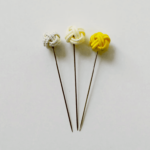 Cohana-Iida Mizuhiki Sewing Pins in 4 coloursView details & options →
Scissors and thread snips
This group ranges from Seki Mini Scissors to lacquer-handled sewing shears and Shozaburo thread snips with Iga silk braid. The makers and finishes differ, so each model retains its own story.
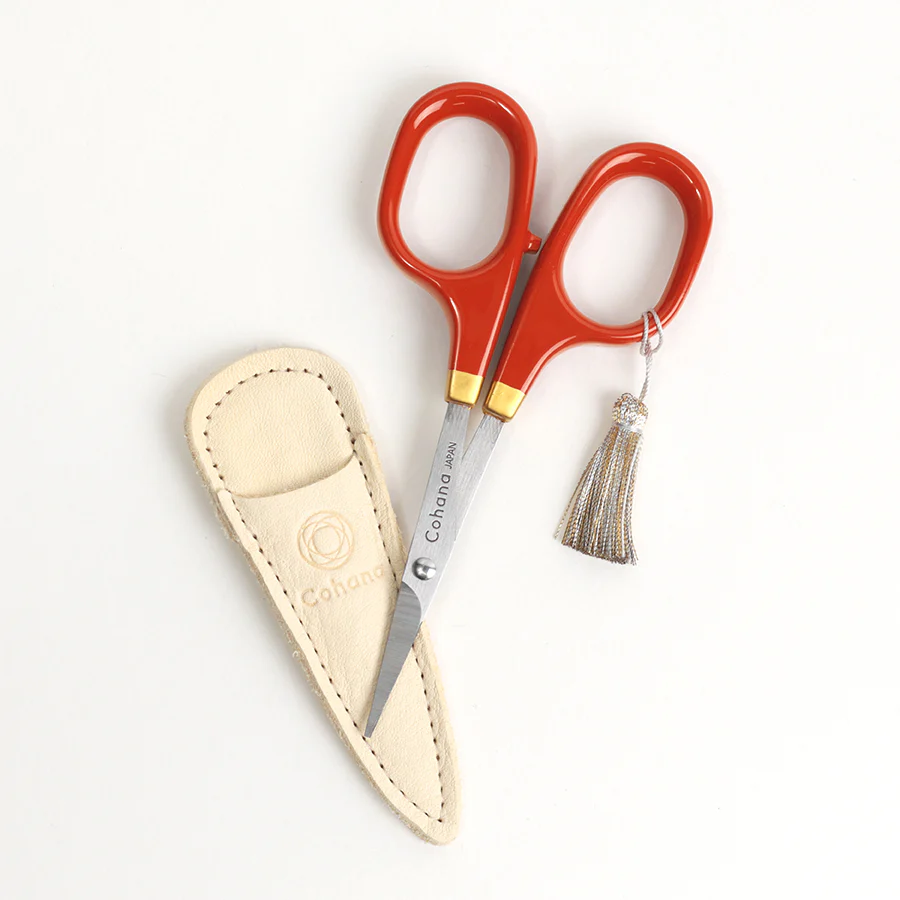 Cohana-Small Scissors with Lacquered Handles (Ginshu) – Limited EditionView details & options →
Browse 8 more in this category
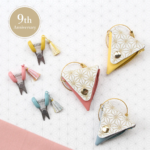 Cohana-Seki Mini Scissors with Leather Pouch – 9th Anniversary Limited EditionView details & options →
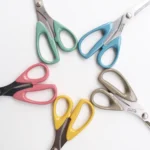 Cohana-Seki Sewing Shears with Lacquered Handles in 5 Colours – 7th Anniversary Limited EditionView details & options →
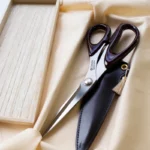 Cohana-Seki Sewing Shears with Lacquered Handles (Tamenuri)View details & options →
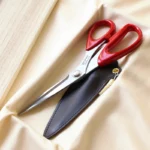 Cohana-Seki Sewing Shears with Lacquered Handles (Shunuri)View details & options →
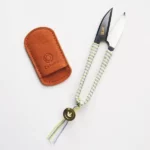 Cohana-Shozaburo Thread Snips with Iga Silk Braid in 4 coloursView details & options →
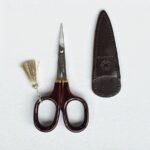 Cohana-Small Scissors with Lacquered Handles (Tamenuri)View details & options →
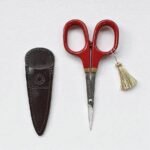 Cohana-Small Scissors with Lacquered Handles (Shunuri)View details & options →
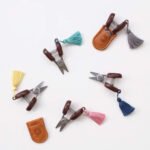 Cohana-Seki Mini Scissors in 5 coloursView details & options →
Measuring and pattern-table tools
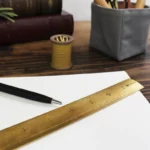
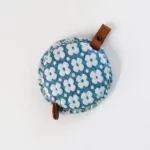
Rulers, tape measures and paperweights bring metal, wood and covered surfaces to the pattern table. This category shows another side of Cohana beyond miniature sewing accessories.
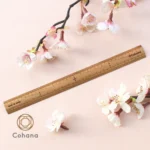 Cohana – Sakura Edition 2025 – Cherry Wood Ruler 20cmView details & options →
Browse 4 more in this category
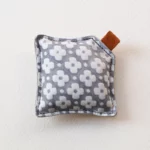
Bags, pouches and cases
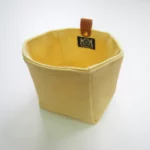
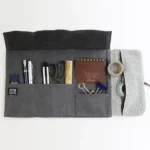
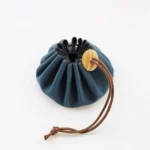
The Mikawa Momen trifold bag, leather pouches and canvas pieces introduce textile and leather work. Their forms range from a small home for one tool to a folding arrangement for several.
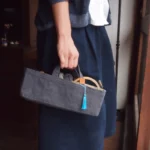 Cohana-Waxed Canvas Tool Tote Bag in 4 coloursView details & options →
Words: Eight Needles. Historical, workshop and product images are credited in their captions. Company and manufacturing sources are linked beside the relevant passages. Historical and manufacturing sources are linked beside the relevant passages. Product links open the live Eight Needles shop.
