
Sewing Tips & Tool Advice
KAWAGUCHI: Sewing, Repair and the People Who Make Things
What connects a repaired jacket, a pocket-sized loom and a glass-headed pin? Behind them is KAWAGUCHI, a company whose work follows several routes into making things. Some begin with a practical sewing problem. Others begin with a material, a regional workshop or someone trying a craft for the first time.
1. A dressmaking-tool developer since 1953
KAWAGUCHI was established in May 1953 and has its head office in Nihonbashi, Tokyo. Its official profile describes a business that plans and develops handmaking tools, repair materials and stationery. It also operates Cohana and Pokeori. Company profile.
In his company message, representative director 河口玄太郎 describes KAWAGUCHI’s origins in developing dressmaking tools. He also sets out a broader purpose: passing the experience of making things on to the next generation. That statement includes the learning that comes through both unsuccessful attempts and successful work. The representative’s message.
In May 2012, KAWAGUCHI began a six-month exercise involving all employees to define its company philosophy and working principles. The published outcome emphasises understanding the customer’s position, learning, sharing information and developing new ideas while respecting existing traditions. This was an internal company project with a recorded start and duration. The staff-led philosophy project.
That history provides context for the variety visible in the later collection. The company works on both the practical difficulties of sewing and the experience of taking part in handcraft.
2. Repair became a long-running part of the business
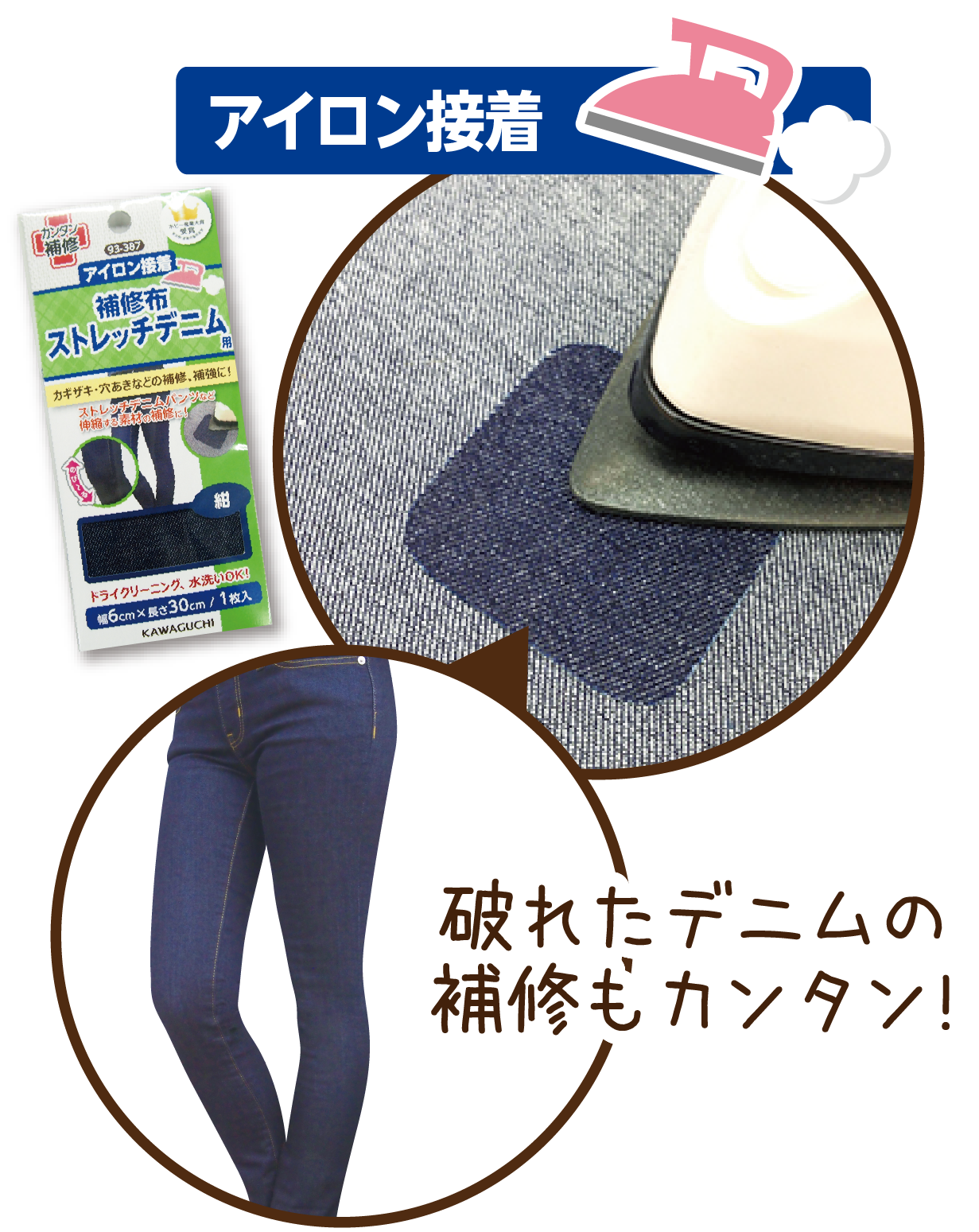
In 1997, KAWAGUCHI launched the repair range originally called Hoshu Jozu. It subsequently developed into the Kantan Hoshu collection. Iron-on materials, adhesives and bonding sheets addressed small holes, moth damage and tears in clothes. The company records repeated improvements to the range rather than a single launch followed by an unchanged product. The repair range’s history.
The range received a Hobby Industry Award in 2013 and a Social Products Award in 2022. Its scope includes different fabrics and problems, from lightweight cloth to stretch materials. Repair is therefore a substantial part of the company’s development history, alongside tools for making new garments. Repair materials and recognition.
3. Cohana: a network of regional makers
Cohana launched in 2016. KAWAGUCHI’s role is to develop a collection with specialists in different materials and regions. The brand’s official concept describes tools that bring together practical function, selected materials and regional craft techniques. Cohana’s origins.

The shop brings those collaborations together at the company’s Tokyo address. It presents the full Cohana collection, making the relationship between the brand and KAWAGUCHI visible in a place readers can visit. The Nihonbashi shop.
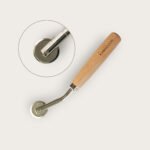
Explore this part of the story: Kawaguchi Measuring Wheel – Transparent (Also Suitable for Left-Handed Use).
4. Small-scale making and materials left over from other work
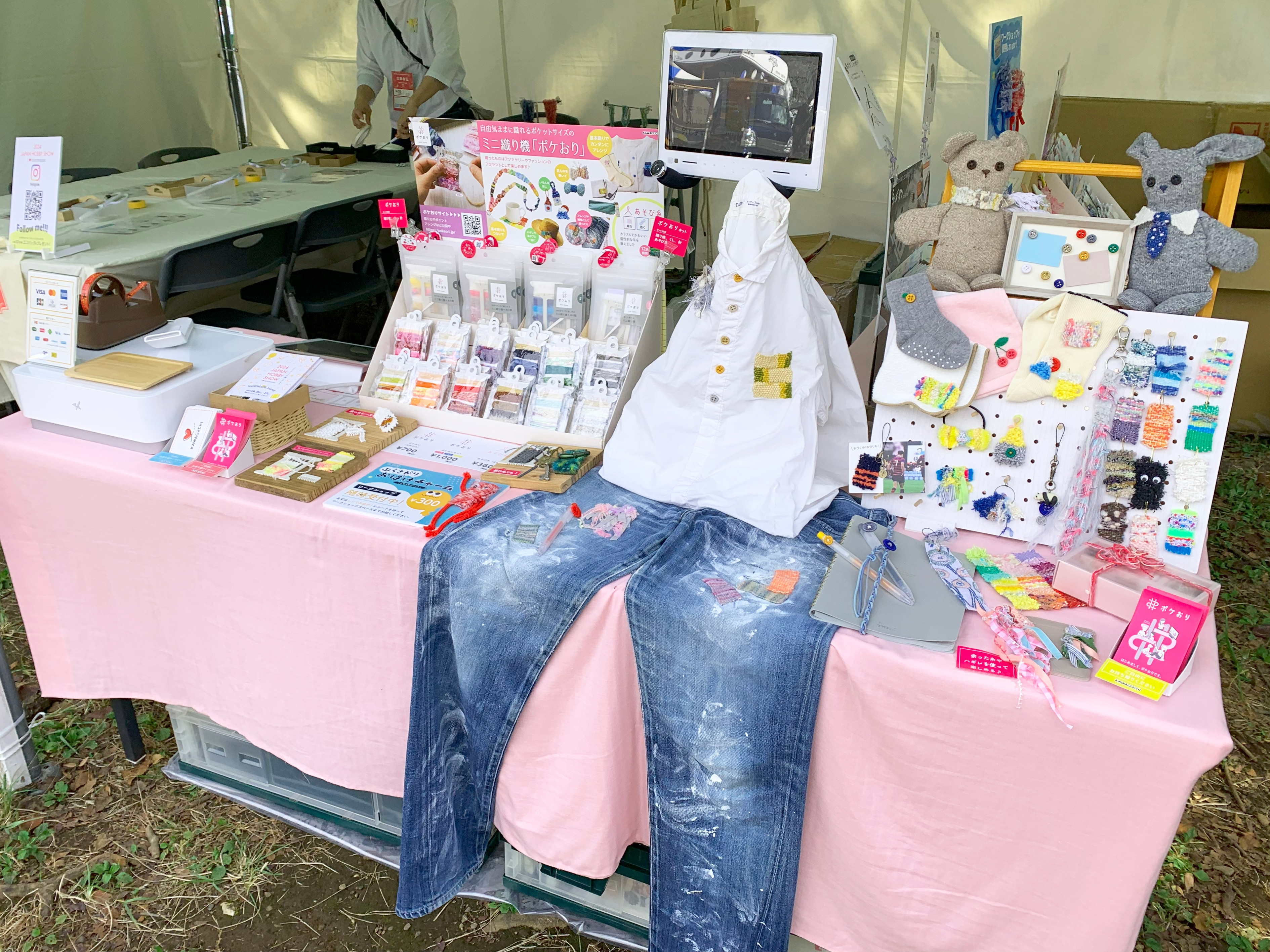
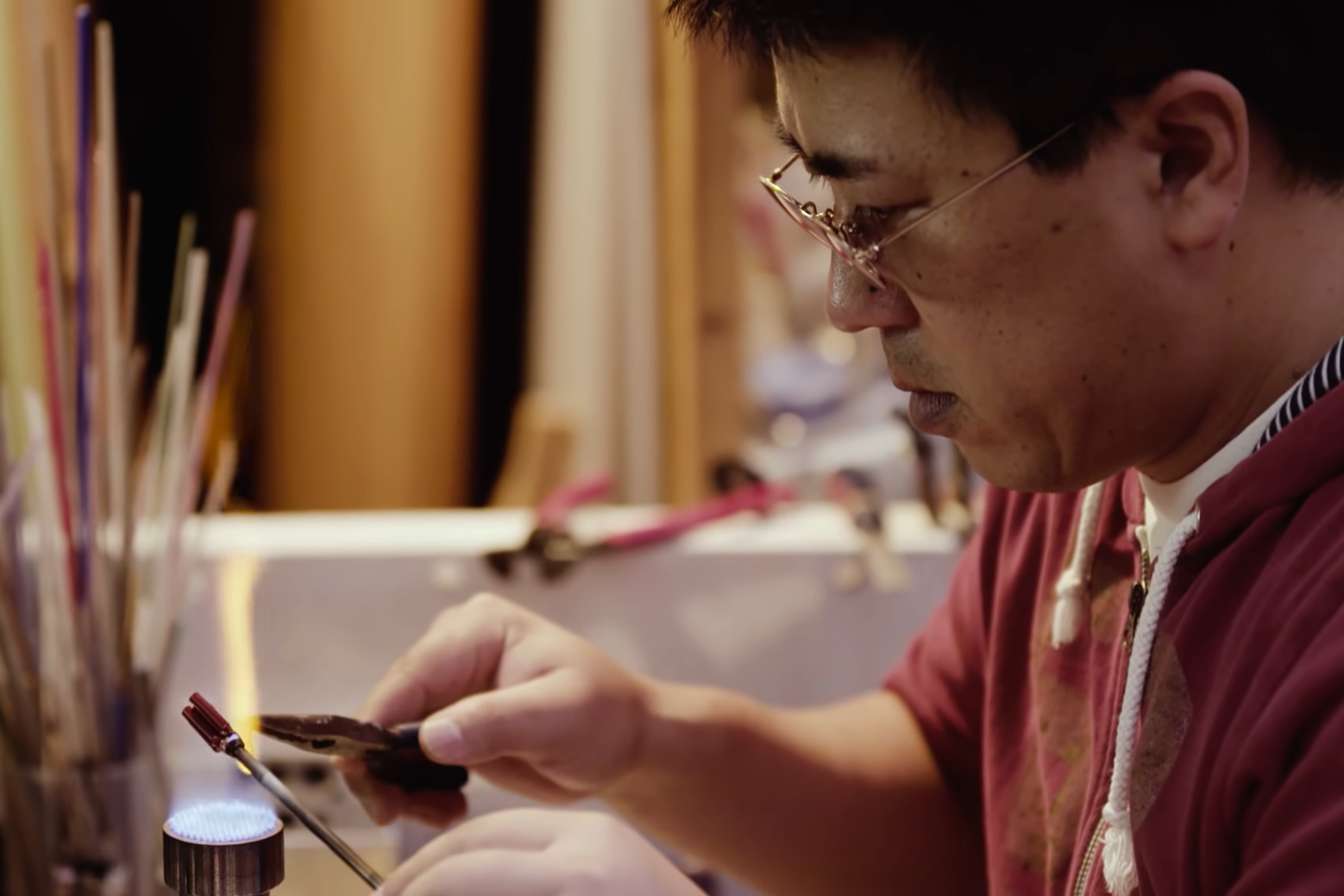
KAWAGUCHI’s Pokeori is a pocket-sized loom. Its Asobi Ito thread selections reuse surplus yarn from apparel production. The company states that the loom body and comb use a material containing 51% scallop shell, while the needle is made from strong paper. Its wider projects also include beeswax-wrap making and workshops using fabric remnants. KAWAGUCHI’s materials and workshop projects.
In October 2023 it demonstrated Pokeori and Asobi Ito at Lohas Festa Tokyo, with workshops at the event. The official Pokeori site also supplies a basic weaving video and project ideas. These activities show how KAWAGUCHI supports people beyond the moment of buying a tool. Official Pokeori introduction and video.
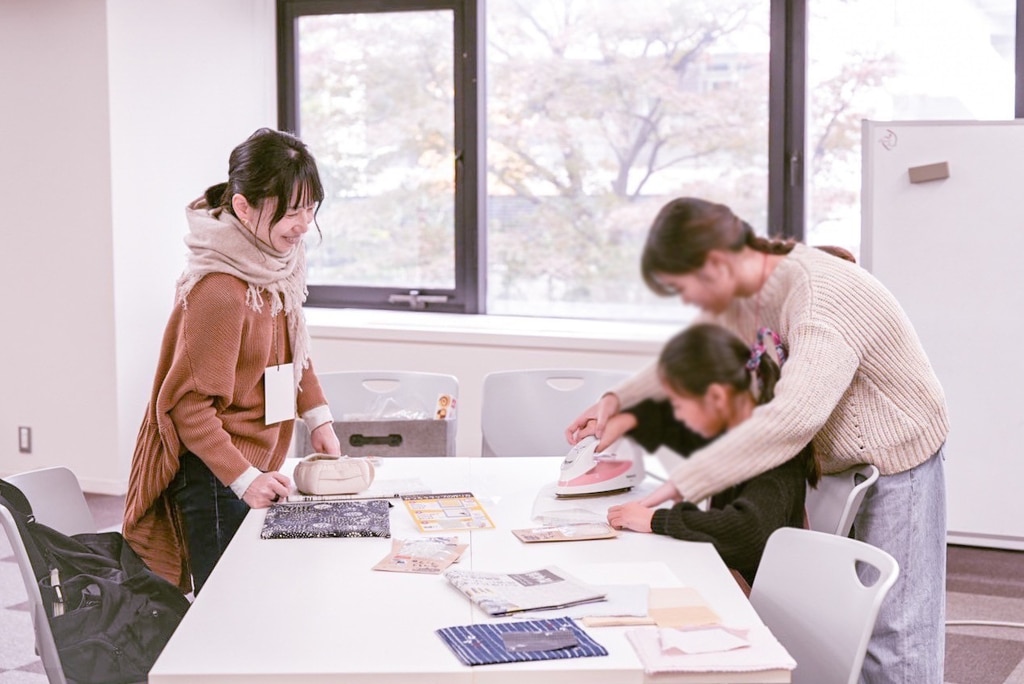
The workshop photographs add something that a finished product cannot show: a setting in which a tool is introduced through doing. A small loom makes more sense once thread begins to cross it. A repair material makes more sense beside the garment it is intended to help. These are ordinary acts, but they are a useful way to understand a company that develops many different kinds of tools.

For a reader, it also changes the question from “What does this company sell?” to “What might I make or repair?” That is the connecting idea across the practical sewing range, the public activities and Cohana’s collaborations. Each offers a different starting point for working with your hands.
5. Back to the cutting and sewing table
The KAWAGUCHI tools stocked by Eight Needles represent the dressmaking side of that wider company. Measuring and drafting tools come first below, followed by marking and tracing, then smaller sewing aids. Cohana, repair materials and Pokeori explain the business’s breadth; the catalogue below shows the KAWAGUCHI items listed in our own shop.
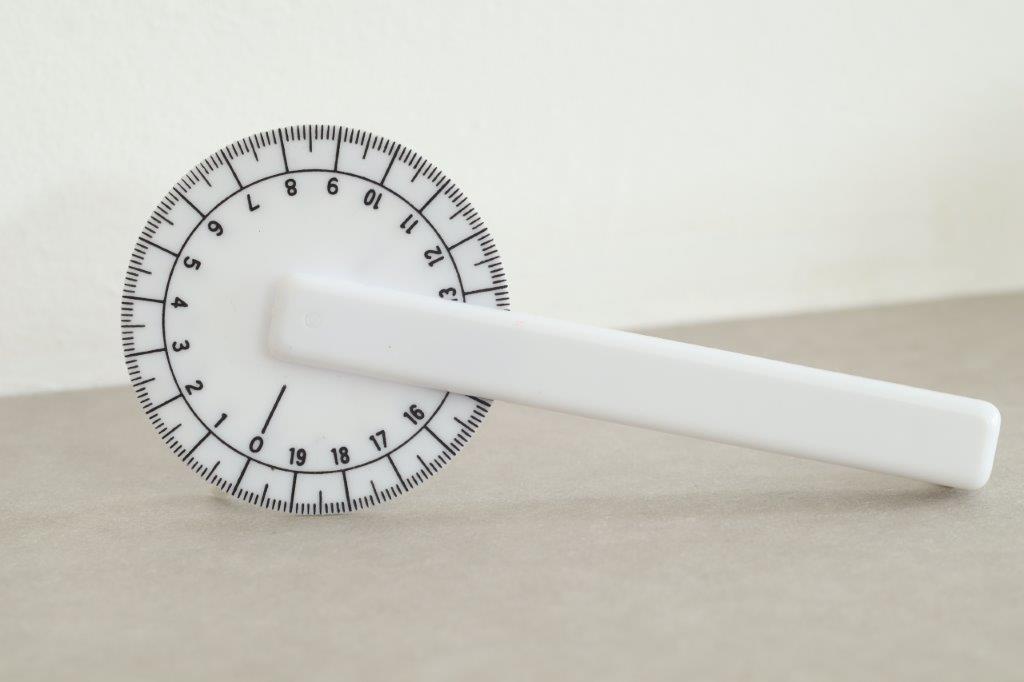
On a pattern table, a ruler needs to be easy to read where the line is being drawn. A tracing wheel needs to transfer the information you intend to keep. A loop turner has a much narrower job, but anyone making a fine fabric loop will understand why such a job deserves its own tool. These are the kinds of differences worth looking for in the Eight Needles selection.
The collection below brings the measuring, tracing and small sewing tools together by task. Cohana has a separate feature because its regional maker network deserves room of its own. Together, the two stories give a fuller picture of KAWAGUCHI: the company developing tools and the workshops helping turn particular ideas into objects.
6. Explore the collection by category
Explore by category
Measuring and drafting
 Kawaguchi Measuring Wheel – Transparent (Also Suitable for Left-Handed Use)View details & options →
Browse 7 more in this category
 Kawaguchi 30cm Cutting RulerView details & options →
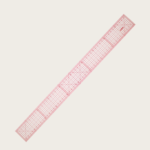 Kawaguchi 50cm Pattern RulerView details & options →
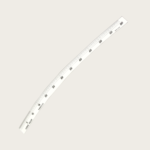 Kawaguchi Curved Pattern Ruler 60cmView details & options →
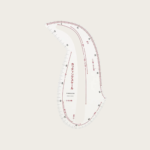 Kawaguchi Multi-Curved Pattern RulerView details & options →
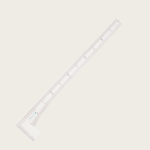 Kawaguchi L-shaped Pattern Ruler 60cmView details & options →
 Kawaguchi 60cm Cutting RulerView details & options →
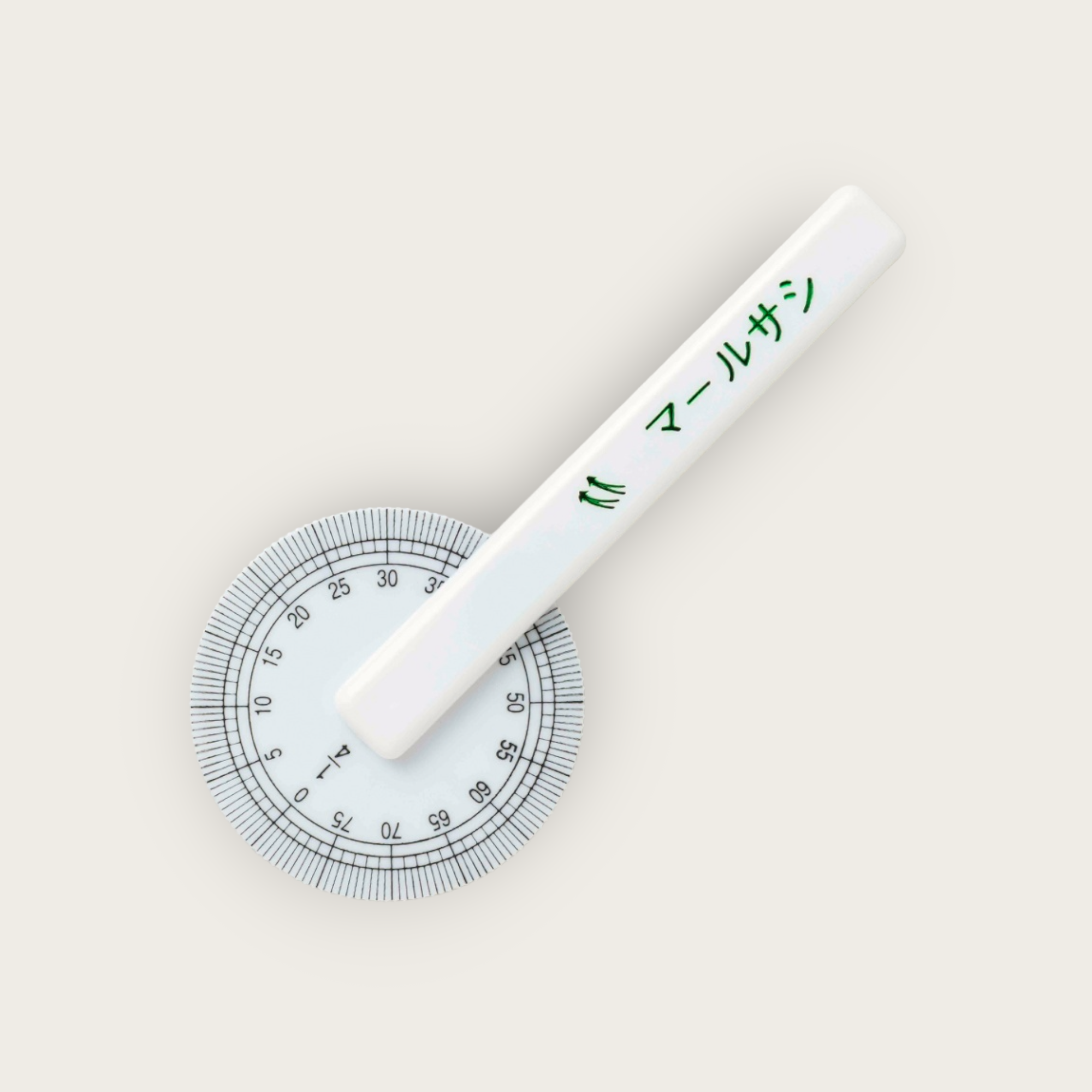 Kawaguchi Measuring Wheel with 1/4 ScaleView details & options →
Marking and tracing
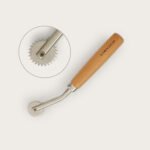
 Kawaguchi Blunt Edges Tracing WheelView details & options →
Needles and small sewing tools
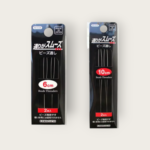 Kawaguchi Big Eye Beading needle (Set of 2) Available in 6cm & 10cmView details & options →
Browse 2 more in this category
Words: Eight Needles. Historical, workshop and product images are credited in their captions. Company and manufacturing sources are linked beside the relevant passages. Historical and manufacturing sources are linked beside the relevant passages. Product links open the live Eight Needles shop.
