
Sewing Tips & Tool Advice
Long- or Short-Blade Thread Snips?
Eight Needles Journal · Scissors
Both the long- and short-blade Shozaburo snips are 105mm overall. The difference is how that length is shared between the blades and the grip. Compare the shape you can position comfortably around your work, rather than expecting the word “long” to mean a larger tool.
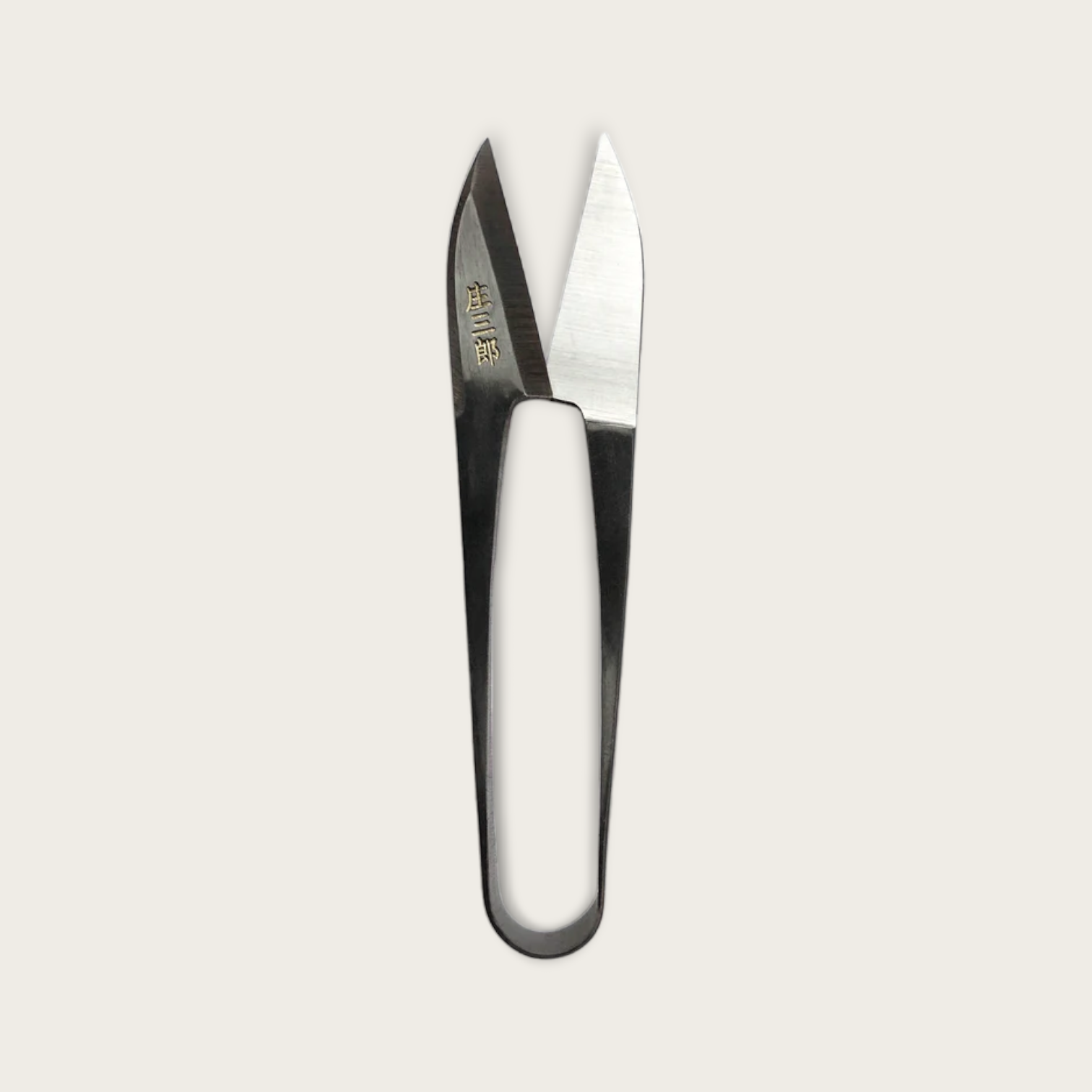
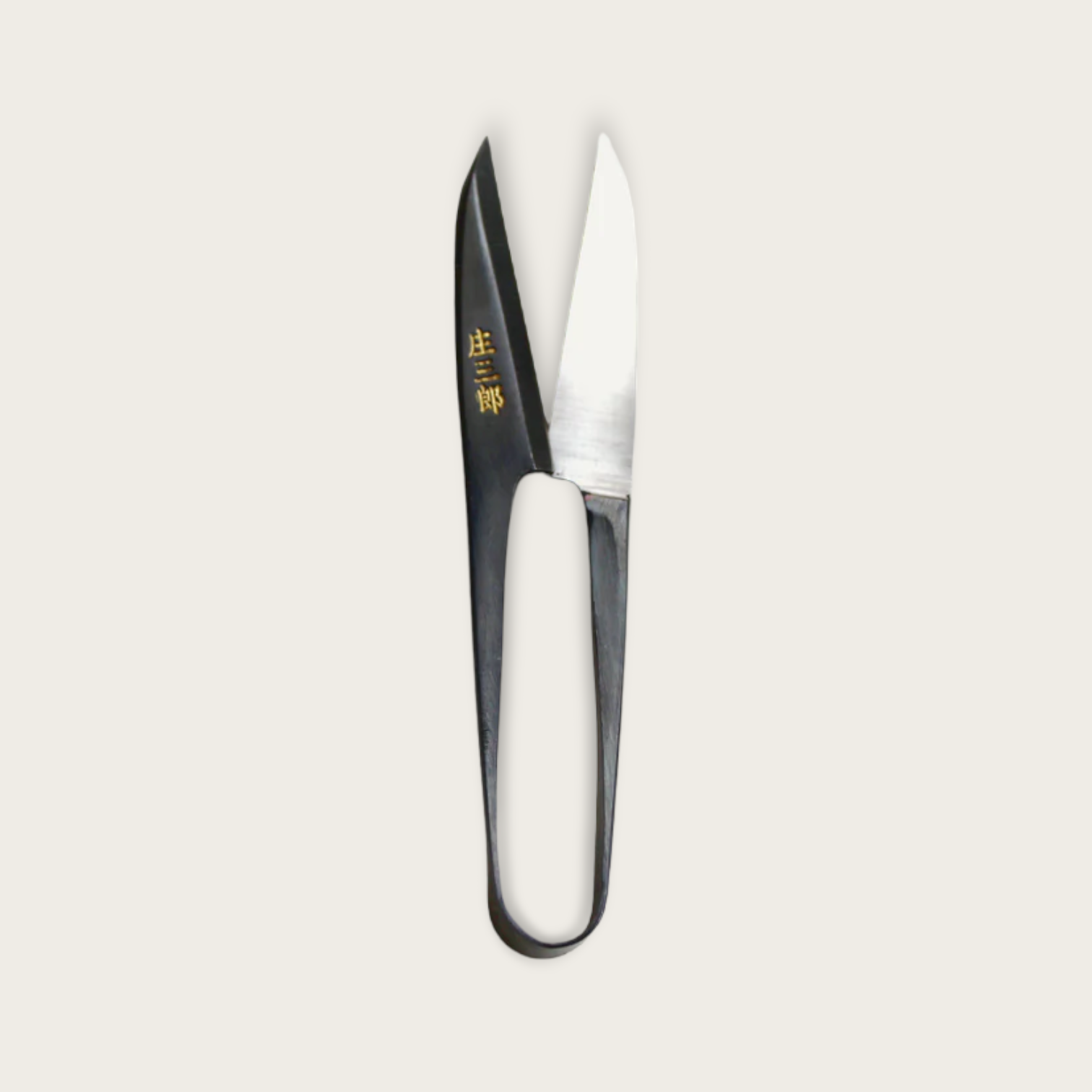
The photographs show the blade profiles; use the listed dimensions to compare size, as separate product photographs are not a measuring scale.
Compare the two versions
| Feature | Short-blade snips | Long-blade snips |
|---|---|---|
| Overall length | 105mm | 105mm |
| Blade and grip proportions | Shorter blade portion, with more of the outline given to the grip | Longer blade portion and a slimmer-looking outline |
| Question to try | Can I place the tips easily beside an ordinary thread end? | Does the blade shape help me reach the intended thread without hiding it? |
| Quality to check in either version | A clean cut with a comfortable squeeze | A clean cut with a comfortable squeeze |
Neither shape is automatically sharper or more suitable for every hand. Blade condition, alignment and the pressure needed to close the tool affect the experience as well as length. Compare versions within the same range before drawing conclusions from two very different makes.
Think about the movement you repeat
At the sewing machine, you may pick up the snips dozens of times to shorten thread tails. For hand sewing, you may use them beside a small seam, where the angle of the tip matters more than the distance of the cut.
Imagine that particular movement when comparing the handles. Where do your fingers naturally sit? Can you close the blades without changing your grip? Is the thread visible as the tips approach? A tool that feels comfortable in that repeated movement is a more useful choice than a blade shape selected for its name alone.
Try both on the same thread
- Prepare spare lengths of the thread you normally sew with.
- Make an ordinary cut with each pair, using a relaxed grip and keeping your fingers clear.
- Check whether the thread cuts cleanly or folds between the blades.
- Try approaching a secured thread end on a stitched scrap. Keep the cloth outside the blades and compare how clearly you can see the cut.
- Put each pair down and pick it up again. Handling between cuts is part of the comparison.
Leave the tail your stitching technique requires. Close trimming is useful only after the stitches have been secured; decorative work, mending and embroidery may need ends left for weaving in.
What about braid-covered snips?
Cohana–Shozaburo snips with Iga silk braid add a covered handle to the comparison. Consider whether you like that gripping surface and how you will store it. The braid is a handle feature, not evidence that the blades will cut a different range of materials.
For a much smaller portable option, read Mini Scissors or Thread Snips? For fine work inside an embroidery hoop, compare straight and curved embroidery scissors.
Keep the chosen pair cutting cleanly
Store the snips with their edges protected and use them for the intended cutting materials. If they begin to catch or fold the thread, stop forcing the cut. A specialist familiar with thread snips can assess sharpening or alignment; a longer blade is not a remedy for a damaged edge.
Related tools to compare
 Shozaburo 105mm Snippers -Short Blade
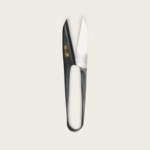 Shozaburo 105mm Snippers – Long Blade
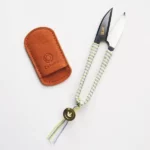 Cohana-Shozaburo Thread Snips with Iga Silk Braid in 4 colours