
No products in the basket.
Guides
Bent-Handle Shears: Keeping Fabric Close to the Table
Eight Needles Journal · Scissors
Bent-handle shears place the handle at an angle to the blades. This arrangement can help keep the lower blade near the work surface during fabric cutting. Compare the actual shape and intended use of the model before choosing.
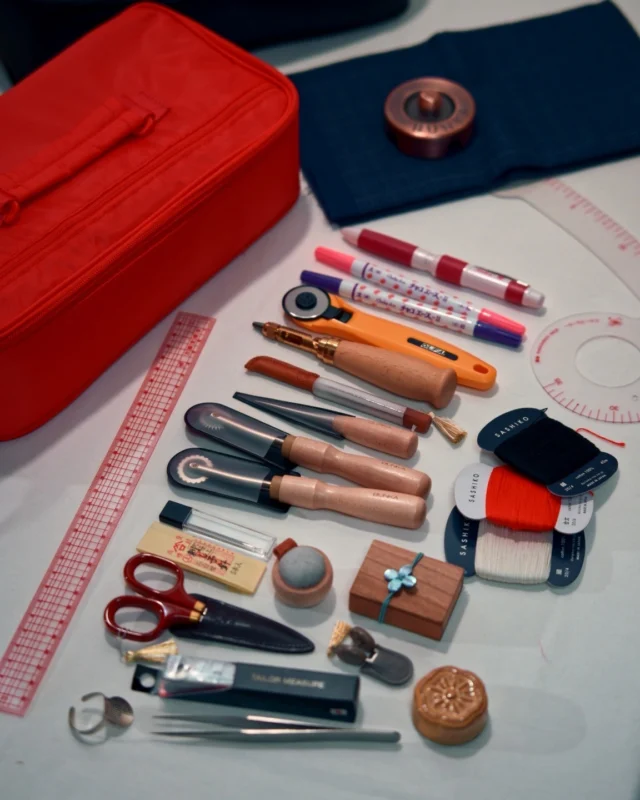
Support the fabric
Keep the fabric flat and fully supported so its own weight does not pull the cutting line. Arrange the pattern and holding method before bringing the shears into position. A handle shape cannot correct a layout that is already moving.
Use a comfortable path
Work within a reach that lets you guide the tool steadily. Reposition yourself or the supported work when needed rather than stretching across the table. Keep pins and other hard objects out of the path.
Choose by handling and task
Look at blade length, handle fit and handedness together. A bent handle may suit long fabric cuts, while a smaller tool may be easier for detail. The most useful choice reflects both the cut and the way your hand controls it.
A practical example
A long fabric panel begins to pull over the table edge. Support the hanging section before continuing with the shears. Bent handles may help the cutting position, but they cannot stop the weight of unsupported fabric from moving the layout.
Check before choosing
- Is the fabric fully supported?
- Can I maintain a comfortable reach?
- Does the model suit my hand and cutting task?
Related tools to compare
Compare the size, material and included parts on each product page against the task above.
 Kai Bent scissors
 Kai – Tailors Shears 25cm
 Shozaburo tailor shears 24cm (Right-handed)
Meet the maker
For the company background, workshop photographs and more of the range, read KAI: The Endo Family and the Growth of a Cutting-Tool Business.
