
Sewing Tips & Tool Advice
Cutting Slippery Fabric: Stabilise Before You Choose a Blade
Eight Needles Journal · Rotary cutting
If a lining or chiffon shifts as you cut, a new cutter is only part of the answer. Support the cloth, settle the grain and choose a holding method before comparing blades. The useful test is whether the complete arrangement keeps your particular fabric in position.
Start with what is moving
| What you see | Check first | An adjustment to try on scrap |
|---|---|---|
| The whole layout creeps towards the table edge | Unsupported fabric hanging down | Support the length without stretching it |
| Two layers no longer match | One layer sliding against the other | Try a single-layer layout with correctly mirrored pattern pieces |
| Fabric bunches ahead of the blade | Blade condition, support and cutting pressure | Check the tool and reduce the cut to a controlled sample |
| The cloth shifts when you move a weight | Holding positions and access to the next cut | Secure another area before lifting the first weight |
Lay the fabric down gently and allow it to settle. Do not pull it taut to make it appear flat. Check the pattern’s grainline against the fabric grain; a straight paper edge is not proof that the cloth beneath it is aligned.
Rotary cutter or shears?
A 28mm rotary cutter, such as the OLFA RTY-1/C or Clover 57-502, is worth considering for smaller pieces and curves. It cuts against a mat, reducing the need to lift the cloth to introduce a lower scissor blade. The material can still move if the tool drags, the mat is uneven or the layers slip.
A 45mm rotary cutter, such as the OLFA RTY-2/G or Clover 57-500, offers a larger wheel for longer cutting runs. Diameter does not solve fabric movement by itself. Choose a handle and cover mechanism you can operate comfortably and use a smooth blade suitable for continuous fabric cutting.
Fabric shears remain a useful option when their weight and blade length suit your hand. Keep the lower blade close to the table and use controlled cuts without lifting the whole piece. If shears push the fabric ahead instead of cutting it cleanly, check their condition before assuming a larger pair will help.
Compare the options on the same spare fabric. Try a short straight section and a representative curve, then inspect the outline and the lower layer. Choose the method that leaves an accurate edge without repeated rescue cuts.
Weights, pins and supporting paper
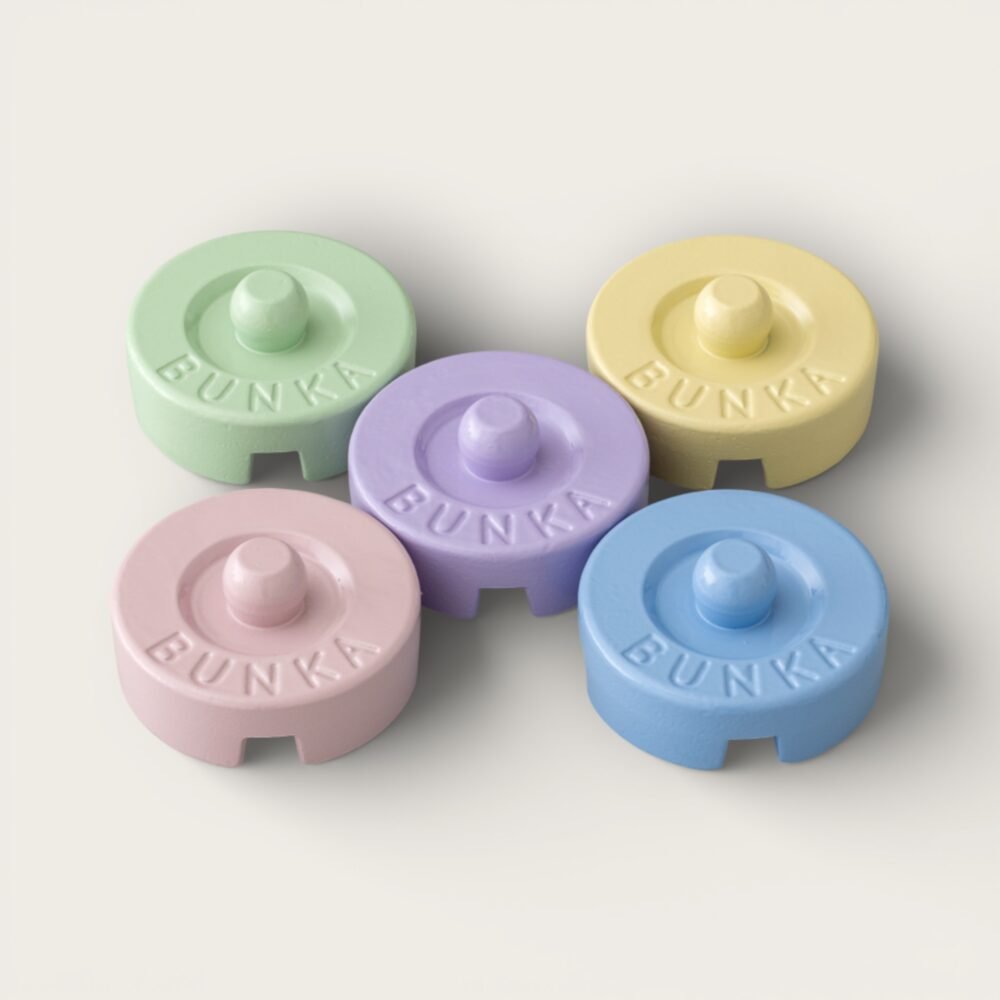
Weights avoid piercing the cloth, but their underside must be clean and suitable for the surface. Bunka Gelato weights are approximately 380g each; their painted finish can be affected by friction or impact. Lift them into place rather than dragging them, and test for marking on delicate fabric.
Fine pins may be useful where the fabric tolerates them. Test first and keep them away from the cutting path. With sheer or easily snagged cloth, placing a pin in a seam allowance can reduce the chance of a visible mark, but it cannot guarantee that the fabric will recover.
A layer of clean, unprinted tissue beneath difficult cloth is an option to sample. It can add support, but it also introduces another layer that may shift or hide the lower surface. Only cut the paper and fabric together if the tool is suitable for both. Do not assume a paper sandwich is necessary—or successful—for every slippery fabric.
Single layers need a little pattern planning
Cutting one layer at a time can make movement easier to see. Before changing from a folded layout, prepare a full pattern for pieces normally cut on the fold. For a left-and-right pair, turn the pattern over as required and keep track of the fabric’s right side. Otherwise two beautifully cut pieces may both belong to the same side of the garment.
Finish the marks before disturbing the layout
Transfer the notches, dart points and other information the project needs while you can still check them against the paper. For delicate fabrics, sample the marking method as carefully as the blade. Thread tacks are an option when a drawn mark or toothed tracing wheel is unsuitable.
Cover the rotary blade before moving weights or rotating the work. Recheck the alignment after any movement. If the sample remains unreliable, change one part of the setup at a time before cutting the garment.
Compare the tools in the setup
 Bunka Pattern/Fabric Weight – Gelato Pastels in 5 options
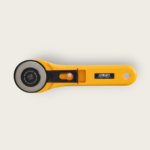 Olfa Rotary Cutter 45mm with Special Endurance Blade (RTY-2/G + RB45H-1)
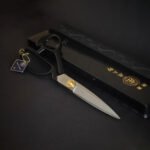 Shozaburo tailor shears 24cm (Right-handed)