No products in the basket.
Guides
Cutting Slippery Fabric: Stabilise Before You Choose a Blade
Eight Needles Journal · Rotary cutting
When fabric shifts easily, the first challenge is keeping the layout stable. Choosing between a rotary cutter and shears comes after planning the support and holding method. Test the complete arrangement before cutting the project.
Support the cloth
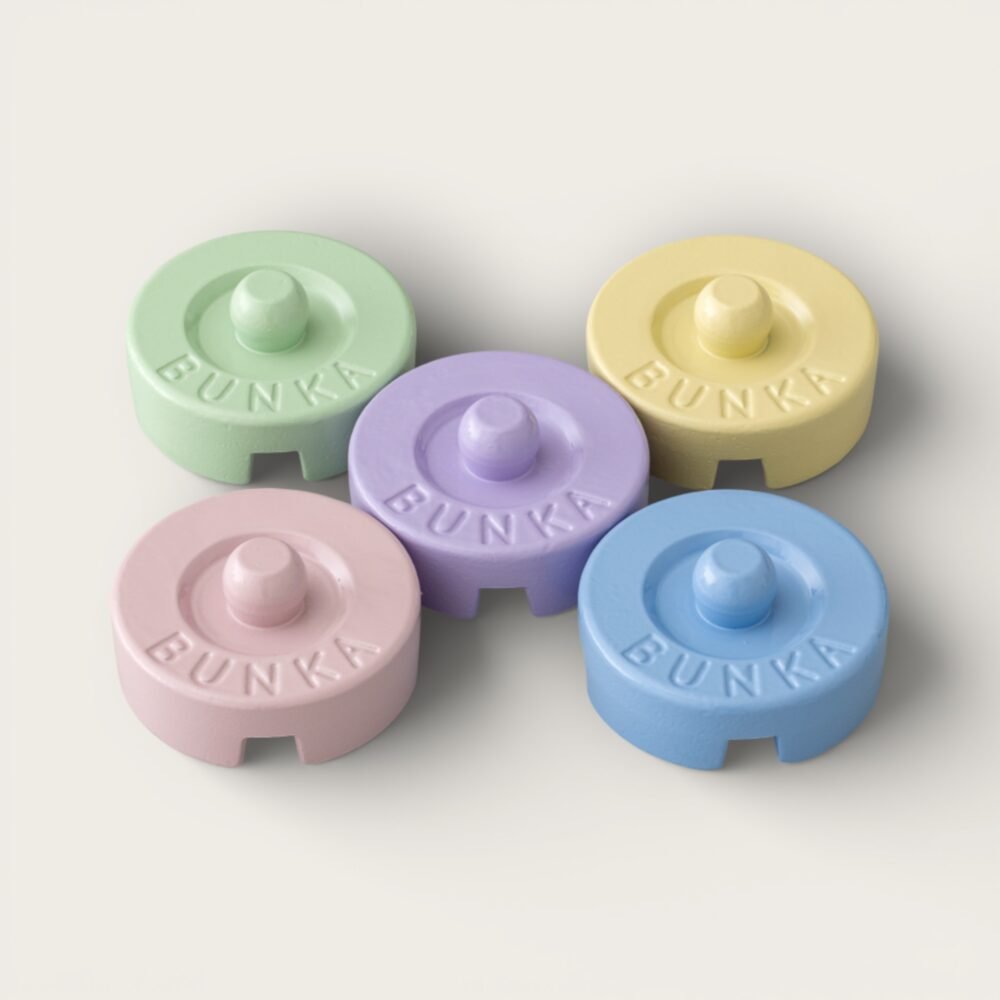
Keep the material on a sufficiently large surface so its weight does not pull the layout. Arrange the grain and pattern as directed. Try any weights or pins on an offcut first, checking for surface marks or distortion.
Reduce interruptions
Plan where the cutting tool will travel and where holders can remain. If you must reposition a weight, stabilise the work elsewhere first. Close a rotary blade before moving the arrangement.
Choose by the sample
Compare how the intended cutting method behaves on representative layers. Neither a heavier weight nor a sharper-looking tool guarantees a stable result. If the fabric still moves, review the preparation method specified for the project before committing to the final cut.
A practical example
A slippery fabric shifts when a weight is removed. Put another suitable holder in place first, then move the original. Recheck the grain and edges before cutting; do not assume that a small movement has left the rest of the layout unchanged.
Check before choosing
- Is the whole fabric supported?
- Does the holding method mark the surface?
- Can I cut without disturbing alignment?
Related tools to compare
Compare the size, material and included parts on each product page against the task above.
 Bunka Pattern/Fabric Weight – Gelato Pastels in 5 options
 Olfa Rotary Cutter 45mm with Special Endurance Blade (RTY-2/G + RB45H-1)
 Shozaburo tailor shears 24cm (Right-handed)
Meet the maker
For the company background, workshop photographs and more of the range, read Bunka: The People, Classrooms and Tools Behind a Century of Making Clothes.