
No products in the basket.
Guides
How to Measure a Curved Seam on a Paper Pattern
Eight Needles Journal · Measuring
A curved seam should be measured along the line that will actually be sewn. Measuring the nearby cutting edge answers a different question. Before choosing a tool, identify the stitching line and the start and end points in the pattern instructions.
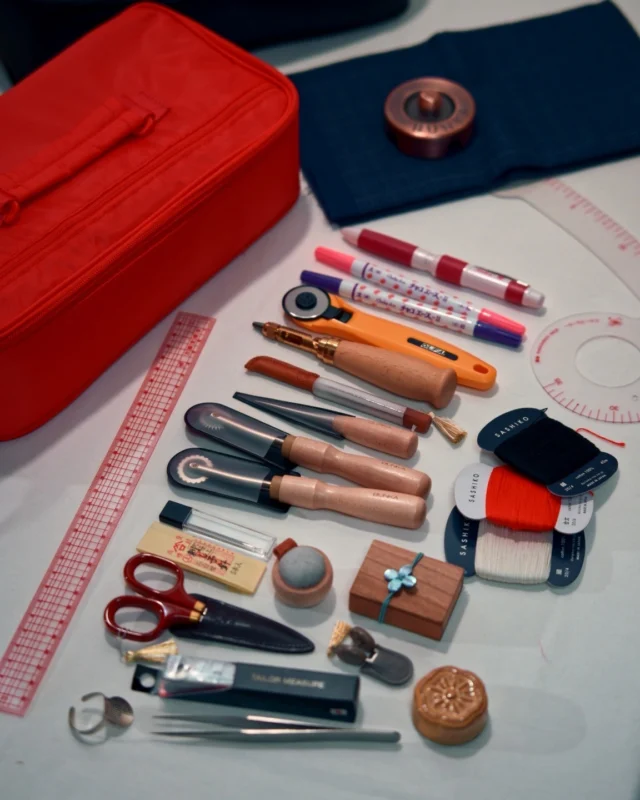
Work in manageable sections
Use a flexible ruler or move a tape carefully along the curve without pulling the paper. A measuring wheel offers a different way to follow the line. Whatever the method, keep the tool on the same reference line from beginning to end.
Account for what the pattern intends
Compare matching seams between their specified marks. Differences may be intentional, such as ease between notches. Do not redraw one piece simply because two totals differ; first check the pattern's construction notes and whether seam allowances were included in the comparison.
Check your method
Measure the same curve again from the other end. If the results differ noticeably, repeat more slowly and divide the curve into shorter sections. This is a measurement check, not a reason to force the pattern into a new shape.
A practical example
A sleeve seam appears longer than the armhole. Before altering either piece, compare the prescribed sections between matching notches and read the ease instructions. Measuring the entire outer cutting edge can hide both the intended distribution of ease and the location of the true stitching line.
Check before choosing
- Am I following the seamline?
- Have I identified the matching notches?
- Does the pattern specify ease?
Related tools to compare
Compare the size, material and included parts on each product page against the task above.
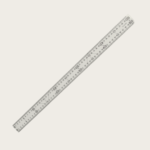 Clover 50 cm Paperfeel Flexible Ruler
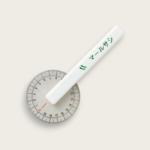 Kawaguchi Measuring Wheel – Transparent (Also Suitable for Left-Handed Use)
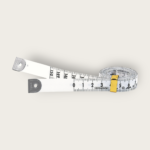 Hara Doki Glass Fibre Tape Measure 150 cm / 60 inch (With extra gap)
Meet the maker
For the company background, workshop photographs and more of the range, read KAWAGUCHI: Sewing, Repair and the People Who Make Things.
