No products in the basket.
Guides
Tape Measures with an End Gap: Where Does Zero Start?
Eight Needles Journal · Measuring
Some tape measures leave material before the zero mark; others begin their scale at the end. Neither arrangement removes the need to check your starting point. An unnoticed gap can shift every measurement you take.
Read the start first
Lay the tape flat beside a reliable straight ruler and identify its printed zero. For a tape with an extra end section, place the zero mark on the reference point rather than using the physical tip. Recheck whenever you switch between tapes.
Keep units consistent
A tape may carry metric and imperial scales. Turn it to the correct side before beginning and write the unit alongside each measurement. Avoid switching scales midway through a set of pattern measurements, particularly when copying notes from different sources.
Make a small reference record
Record the tape you used and whether you measured from its tip or printed zero. This is especially helpful in a shared workspace, where several tapes may look alike. Replace a tape if its printing is unreadable or comparison checks show that it can no longer be trusted.
A practical example
You are copying a measurement from one tape to another. Align their printed zeros before comparing the reading. If one has an unmarked end section, that extra material must not enter the measurement. Write the reading and its unit immediately, before turning the tape to its other scale.
Check before choosing
- Does zero start at the tip?
- Which side carries my chosen units?
- Is the tape flat and undamaged?
Related tools to compare
Compare the size, material and included parts on each product page against the task above.
 Hara Doki Glass Fibre Tape Measure 150 cm / 60 inch (With extra gap)
 Hara Doki Glass Fibre Tape Measure 150 cm / 60 inch (Without gap)
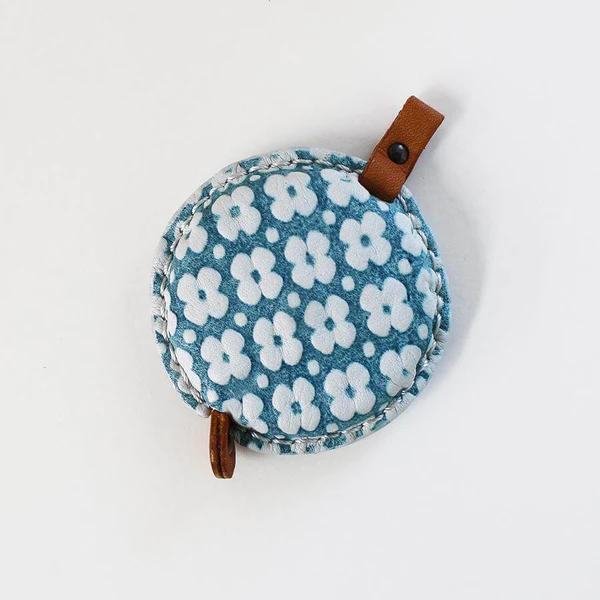
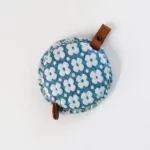 Cohana-Tape Measure with Yuzen Leather Cover in 5 colours
Meet the maker
For the company background, workshop photographs and more of the range, read Hara Doki: A Measuring-Tool Business That Began with Bamboo.