
Sewing Tips & Tool Advice
Renko Kondo: The Teacher, the Curve and the Clothes We Make
A curve ruler is a flat object made for thinking about a body. In Renko Kondo’s work, that relationship between the flat pattern and the three-dimensional garment was central. To understand the ruler, it helps to begin with the teacher—and with the people who learned from her.
1. A teacher who kept asking why
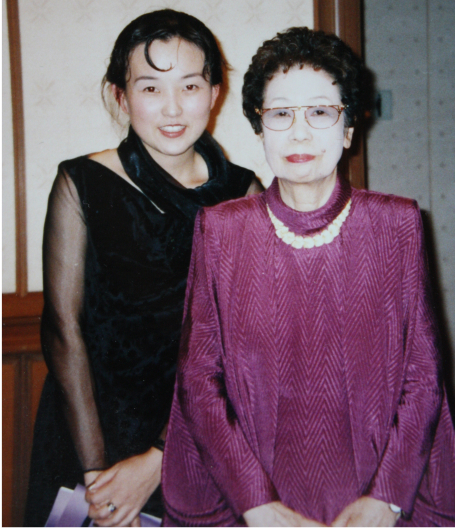
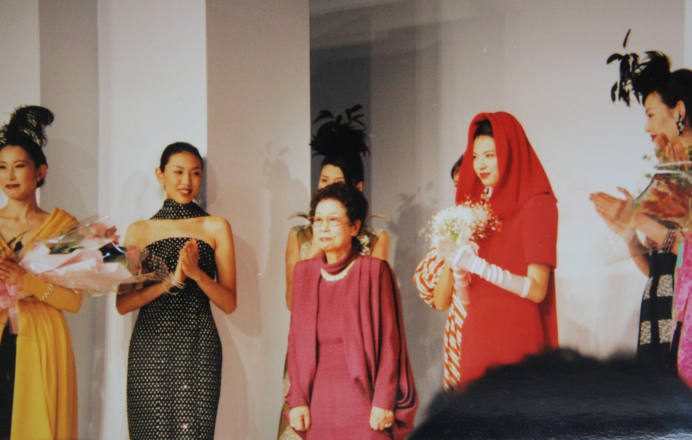
Dressmaking teacher Emiko Narumi recalls Renko Kondo’s account of going to Paris in 1964 to study draping. In Narumi’s recollection, a question about wrinkles in a raglan sleeve helped drive that decision. Kondo went on to teach through the Tokyo Draping Institute. This is a former student’s account of her teacher, preserved on JOCHICAJEL’s own history page. Emiko Narumi’s recollection.
There is a whole approach to dressmaking inside that question about a wrinkle. A fold in the wrong place is something to investigate. The cloth may be telling you about shape, balance or the way a piece has been joined. Looking closely becomes part of the method, rather than the last thing to do after the garment is finished.
2. The story continued through students
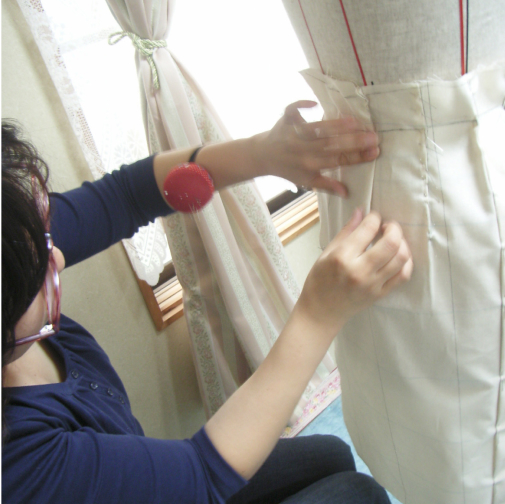
Narumi describes taking Kondo’s teaching into her own practice and classes. Her illustrated account connects the Curve-Ruler with the patterns she draws for clients, and with teaching students to work between a body form, toile and paper. The photographs make that chain of learning visible. JOCHICAJEL’s teaching history.
A tool can travel through such a chain without being the whole method. The ruler does not decide the design; it helps make a considered line repeatable. The eye and hand still choose which portion of the curve to use and where the next line should meet it.
Explore this part of the story: 3D Pattern Cutting Institute – Multi-Purpose Pattern Cutting Ruler by Renko Kondo.
3. Look along the edge
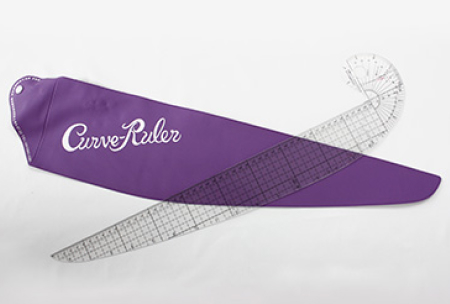
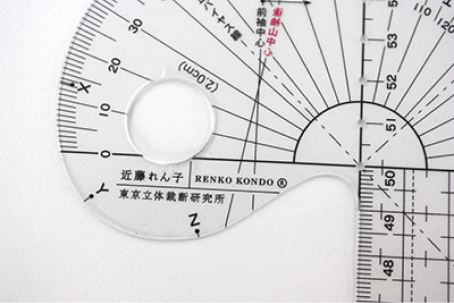
On a sheet of practice paper, mark two points and a direction for the line to leave each point. Move the ruler until one section makes sense between them. A long garment curve may need more than one position, with a smooth transition between the short sections. It is a useful way to explore what a curve ruler offers before using it on the pattern you intend to cut.
This exercise is general pattern-drawing practice. It is not a substitute for Kondo’s teaching, and it is not presented as a lesson from her books. Her institute’s publications are the place to study the full method.
4. A ruler belongs to a larger system
The Tokyo Draping Institute’s official shop presents the Curve-Ruler alongside a neck gauge and shoulder-angle measuring set, Nouvelle Dummies, books, drafting paper and a sleeve board. That collection connects measurement, form, drawing and pressing. It gives a fuller view of the work than a photograph of one ruler can provide. Tokyo Draping Institute’s official collection.
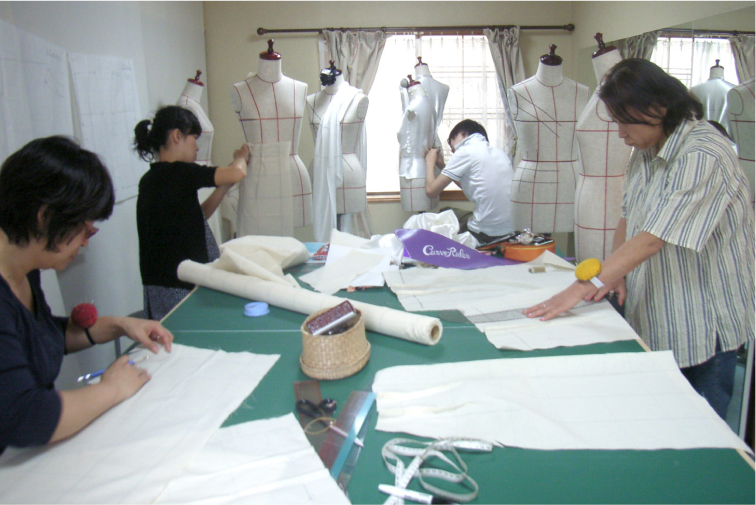
The thread running through those objects is the garment itself. A measurement describes it one way; a form gives it volume; paper records the pieces; pressing changes how a seam lies. Moving between them is part of the concentration and enjoyment of making clothes.
5. The Eight Needles connection
Our collection includes the pattern-cutting ruler associated with Renko Kondo. The product photographs below let you examine its outline and markings. For the teacher’s wider work, follow the institute’s books and the former student’s illustrated recollection linked above: they keep the person and the teaching in view alongside the object.
6. Explore the collection by category
Explore by category
Pattern-cutting ruler
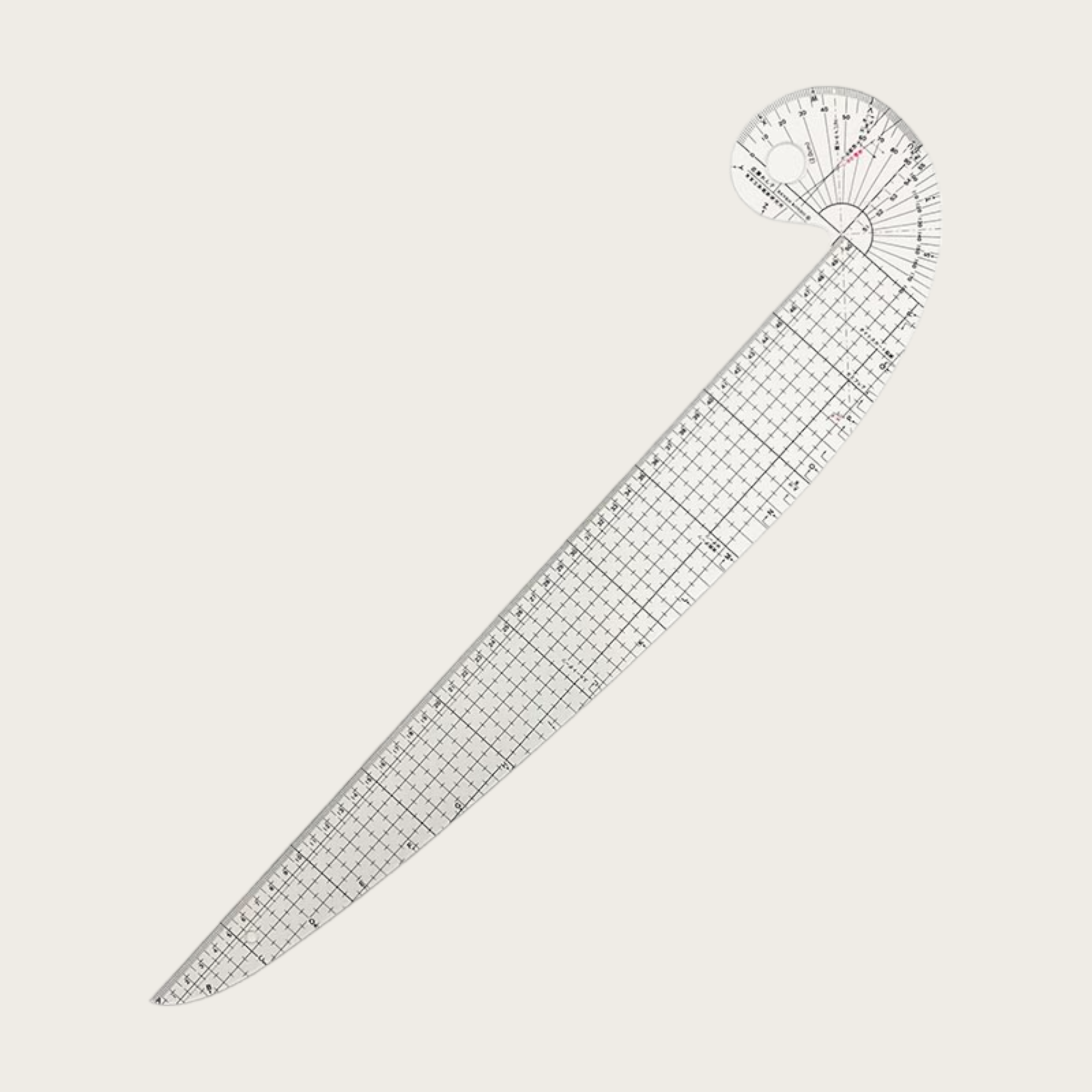 3D Pattern Cutting Institute – Multi-Purpose Pattern Cutting Ruler by Renko KondoView details & options →
Words: Eight Needles. Historical, workshop and product images are credited in their captions. Company and manufacturing sources are linked beside the relevant passages. Historical and manufacturing sources are linked beside the relevant passages. Product links open the live Eight Needles shop.
