No products in the basket.
Guides
How to Read a Half-Circle Protractor for Patterns
Eight Needles Journal · Measuring
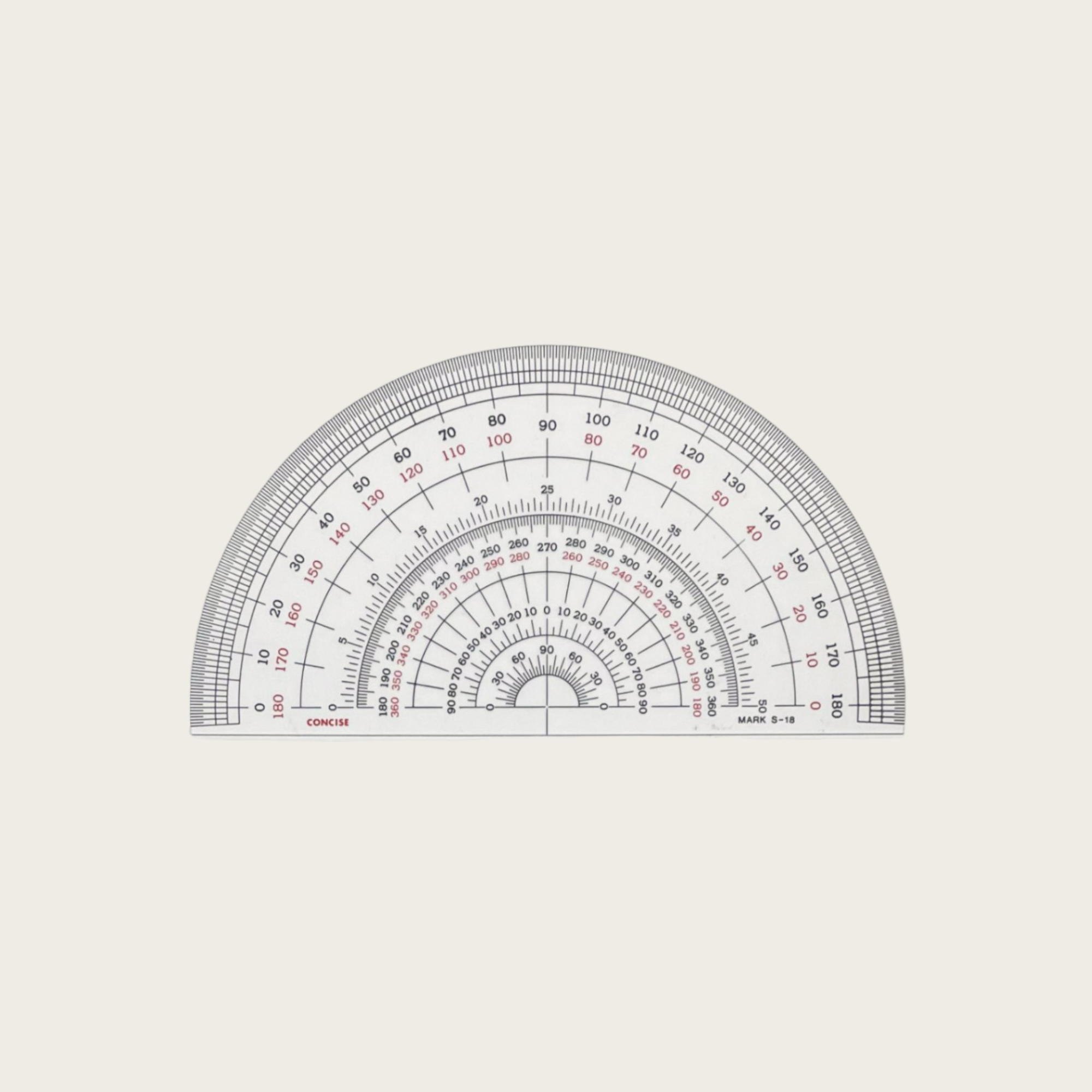
A half-circle protractor measures an angle between two lines. It is useful when a drafting exercise gives an angle, but it does not replace the measurements and method of the pattern system you are following.
Place the centre accurately
Set the centre mark at the point where the two lines meet. Align the baseline with the first line, then read where the second line crosses the scale. Keep the paper flat so the tool does not shift while you mark.
Choose the correct scale
Many protractors have numbers running in both directions. Start from the zero that lies on your aligned baseline. Before accepting the result, consider whether the angle should be smaller or larger than a right angle; this catches a common reversed-scale reading.
Transfer a deliberate angle
For a new line, mark the required angle lightly, remove the protractor and connect the point with a straight ruler. Label the angle in your working notes. Check it again before cutting the paper, when changes are still easy to make.
A practical example
A drafting exercise asks for a 30-degree line from a baseline. Put the protractor centre on the starting point and use the scale whose zero follows the baseline. Mark 30 degrees, then draw the line with a ruler. Reading the opposite scale would create a very different angle.
Check before choosing
- Is the centre on the intersection?
- Am I reading from the correct zero?
- Does the result fit the drafting instruction?
Related tools to compare
Compare the size, material and included parts on each product page against the task above.
 Concise 15cm Half Circle Protractor
 Bunka – Multi-purpose L Shaped Ruler
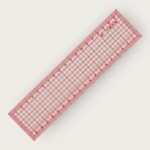 Bunka 20cm Pattern Ruler
Meet the maker
For the company background, workshop photographs and more of the range, read Concise: From Circular Slide Rules to the Dressmaking Table.