
No products in the basket.
Guides
Mini Scissors or Thread Snips?
Eight Needles Journal · Scissors
Cohana’s Seki Mini Scissors are small enough to disappear into a sewing pouch, but their appeal is more than their size. They bring a Seki blade maker’s skill to a tool for the small cuts that punctuate a sewing session. Choosing between them and longer thread snips starts with where—and how often—you will reach for them.
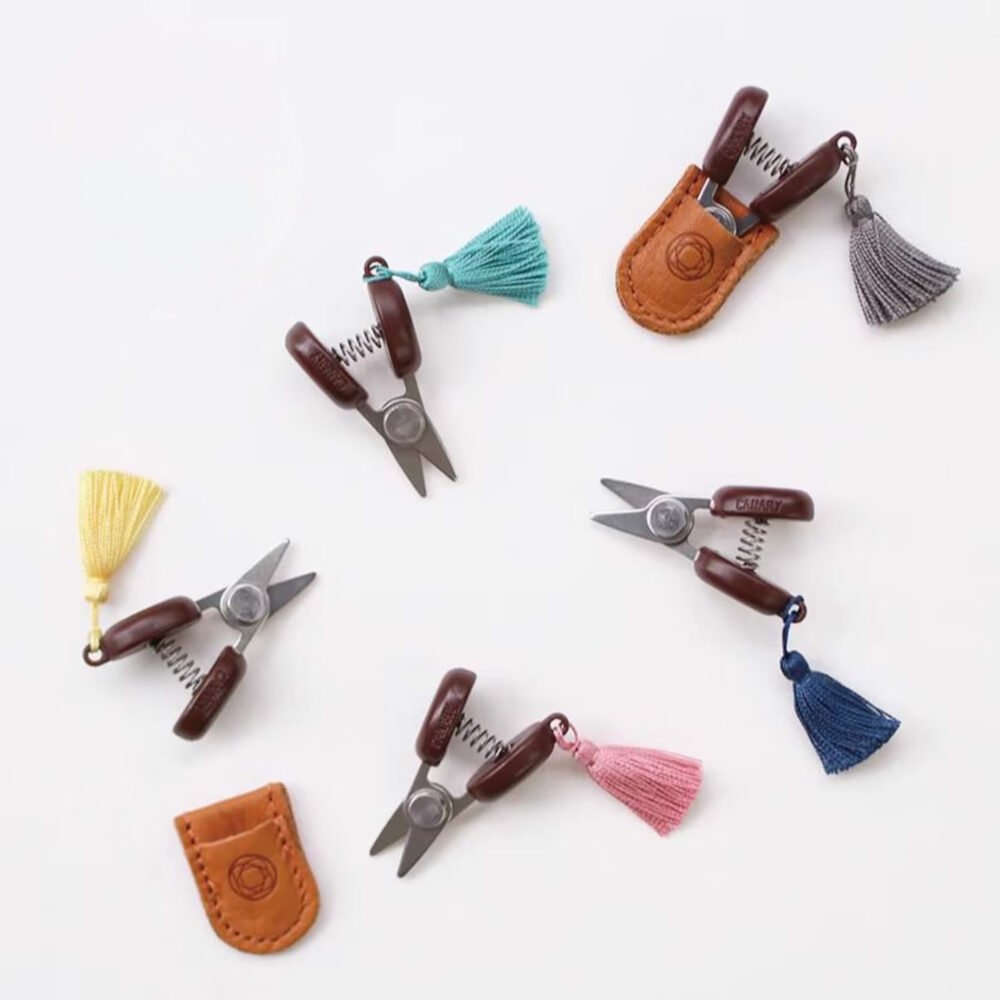
From Seki to the sewing pouch
Cohana’s official Japanese product story credits the scissors to Hasegawa, a blade manufacturer founded in 1933 in Seki, Gifu. They are designed to cut through the alignment of their two blades and work with a light squeeze of the fingers rather than finger rings.
The current specification gives an overall length of 35mm and an 8mm blade. Materials are stainless blade steel and ABS resin, with a cowhide case and silk tassel. Cohana states that the scissors can be used in either hand. These are the dimensions of the scissors, not the packaging.
The maker advises drying them if wet, avoiding hard materials and impacts, and putting them back in their case after use. The little leather cover is part of keeping the cutting edges protected, not simply gift decoration.

Why we like a small tool with a story
For us, the appeal is the combination of a useful everyday object and the craft behind it. The small steel blades, leather cover and colourful tassel give a simple thread-cutting tool its character. It is a lovely option for someone who enjoys the details of their sewing kit.
It captures something familiar: a tool can make a routine job more inviting. That is a reasonable reason to choose a colour or finish you enjoy. It is separate from deciding whether the size suits the cutting you actually do.
Small occasional cuts or a tool you reach for all day?
Imagine the scissors in two places. In a small travel sewing pouch, there is a strong reason to keep the tool compact. At your usual sewing table, where you repeatedly put a cutter down and pick it up, a longer pair of thread snips may be easier for you to locate and handle. The useful choice depends on your habits.
Before ordering, compare the overall lengths with a ruler on your own table. Thirty-five millimetres and 105mm are very different scales. Product photographs often show both at similar display sizes, which can hide the difference. Neither overall length tells you the exact blade length of another model.
| Tool to compare | Question to ask |
|---|---|
| Cohana Seki Mini Scissors | Do I want a very compact cutter for occasional small jobs? |
| Shozaburo 105mm short-blade snips | Would a longer tool suit repeated thread cutting at my table? |
| Misuya Chubei 105mm Kabura snips | Is this the blade shape and grip I prefer for my hand sewing? |
Check the package, especially for gifts
Mini scissors and a mini-scissors-and-drawstring-pouch set are different listings. A leather blade cover is not the same item as a fabric pouch. If the presentation is part of the gift, check the named contents rather than assuming every accessory in a lifestyle photograph is included.
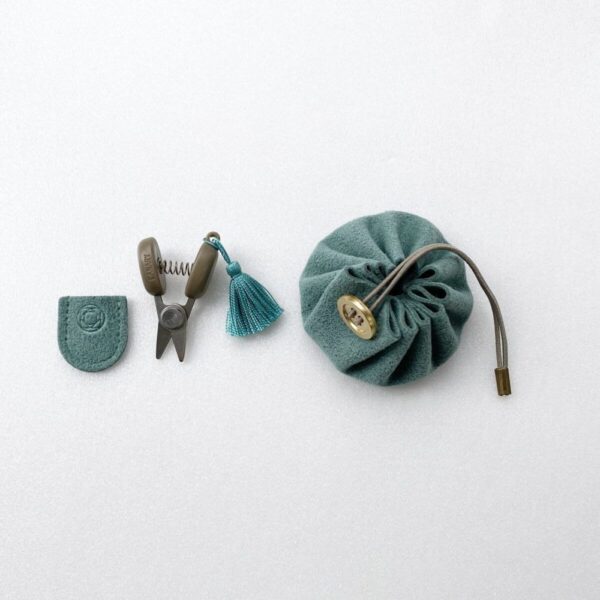
For someone who already has fabric shears, a small thread-cutting tool can fill a different role. Think about their sewing space and existing kit before adding another pair. A thoughtfully chosen everyday tool does not need to replace everything else they own.
Compare the cutting tools
These listings let you compare the compact Cohana model with two 105mm snip options. Check the individual photographs and descriptions for the exact shape and contents.
 Cohana-Seki Mini Scissors in 5 colours
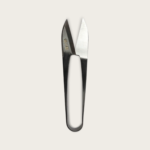 Shozaburo 105mm Snippers -Short Blade
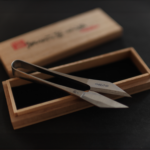 Misuya Chubei Hand- Crafted 105mm Snippers -Kabura Blade
Explore the Eight Needles Journal
Sources and further reading
Product information and background reading used in preparing this guide.
