
No products in the basket.
Guides
Tailor’s Chalk, Fabric Pencil or Marker Pen?
Eight Needles Journal · Marking
A useful fabric mark is visible for as long as you need it, then removable by a method your fabric tolerates. Chalk, pencils and liquid markers offer different ways to achieve that. The word temporary is not a guarantee for every fabric.
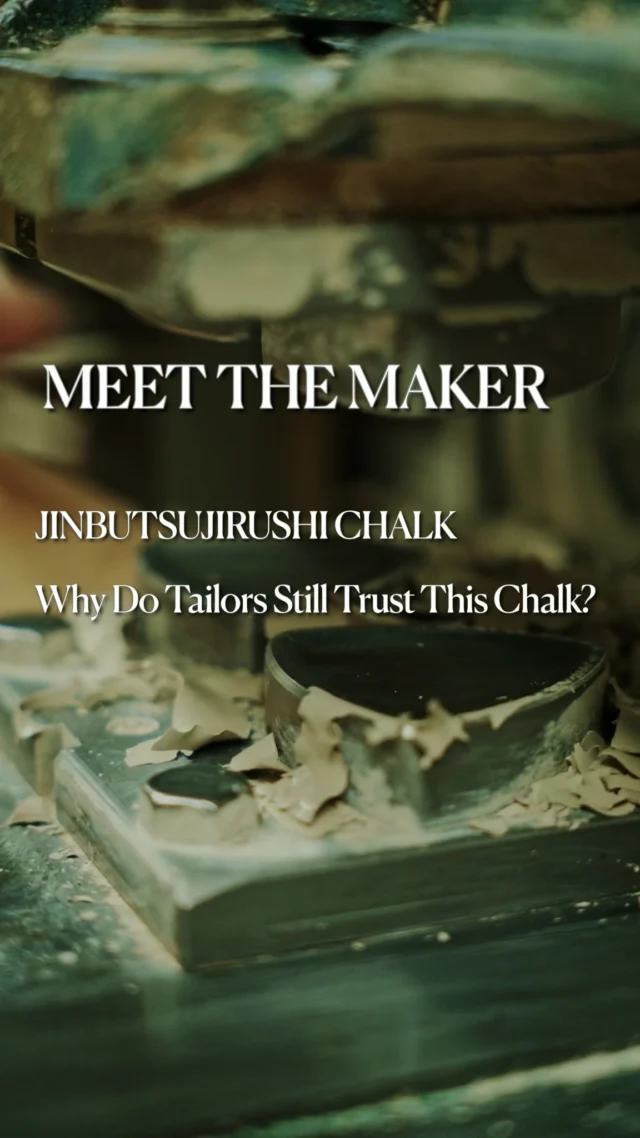
Start with removal
Read the instructions for the exact product and check the fabric's care requirements. A water-removable mark is a poor match for a project that cannot be treated with water in the required way. Do not substitute ironing for the stated removal method.
Test the whole sequence
On an offcut, make a mark, leave it for the expected working time and remove it as instructed. Let the sample dry before judging the result. Check the face and reverse under the light in which the finished project will be used.
Choose the line you need
A broad chalk edge suits a different task from a fine pencil line. For small matching points, prioritise precision and contrast. For long construction lines, consider whether the mark remains easy to see without repeated heavy application.
A practical example
Your fabric cannot tolerate the removal method stated for a liquid marker. Choose another system and test it, even if the liquid pen produces the clearest line. Visibility is useful only when the finished work can also be cleaned up as intended.
Check before choosing
- Can the fabric tolerate removal?
- Will the mark last long enough?
- Is the line precise enough for this task?
Related tools to compare
Compare the size, material and included parts on each product page against the task above.
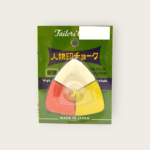 Assorted Triangular Shaped Tailor Chalk – Trio Colours
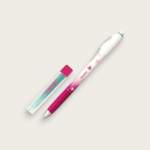 Sewline Mechanical Pencil with 6 Refill Leads in 4 options
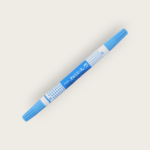 Adger Water Erasable Marker Pen (Pale Blue)
Meet the maker
For the company background, workshop photographs and more of the range, read Sewline: Westek’s Writing-Instrument Knowledge Applied to Sewing.
