No products in the basket.
Guides
Seamline or Cutting Line? A Patternmaking Distinction
Eight Needles Journal · Patternmaking
The seamline shows where stitching joins the pieces. The cutting line includes whatever seam allowance the pattern specifies. Knowing which line you are following is essential when measuring, adjusting or transferring a pattern.

Read the pattern's convention
Some patterns include seam allowances; others require you to add them. Check the instructions before altering the outline. Do not assume the convention from the appearance of a single piece or from a pattern you used previously.
Measure the intended relationship
When comparing two seams, use their stitching lines and matching points. When planning a cut, use the cutting line. Around a curve, the two lengths can differ, so measuring the outer edge may not tell you whether the stitched seams match.
Label alterations clearly
Keep the working seamline visible while checking a change, then establish the cutting line using the allowance required for that edge. Different edges may have different allowances. Record those differences rather than relying on memory at the cutting table.
A practical example
A pattern uses one allowance at the side seam and a different allowance at the hem. Mark the working seam or fold lines first, then add the allowances individually as instructed. Extending the same distance around every edge would lose the intended difference.
Check before choosing
- Are allowances included?
- Which line answers my measurement question?
- Do all edges use the same allowance?
Related tools to compare
Compare the size, material and included parts on each product page against the task above.
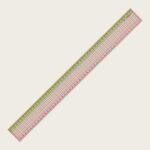 Bunka 50cm Pattern Ruler with Line
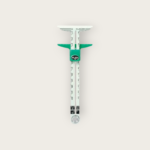 Clover Sliding Gauge
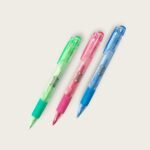 Sodeyama 4.0mm Click Chalk Pencil in 3 Colours
Meet the maker
For the company background, workshop photographs and more of the range, read Bunka: The People, Classrooms and Tools Behind a Century of Making Clothes.