No products in the basket.
Guides
How to Transfer a Paper Pattern Without Losing Details
Eight Needles Journal · Patternmaking
A useful pattern copy includes more than the outline. Grainlines, notches, fold lines and construction marks allow the pieces to be matched later. Work methodically so the copy remains understandable after the original has been put away.
Prepare the layers
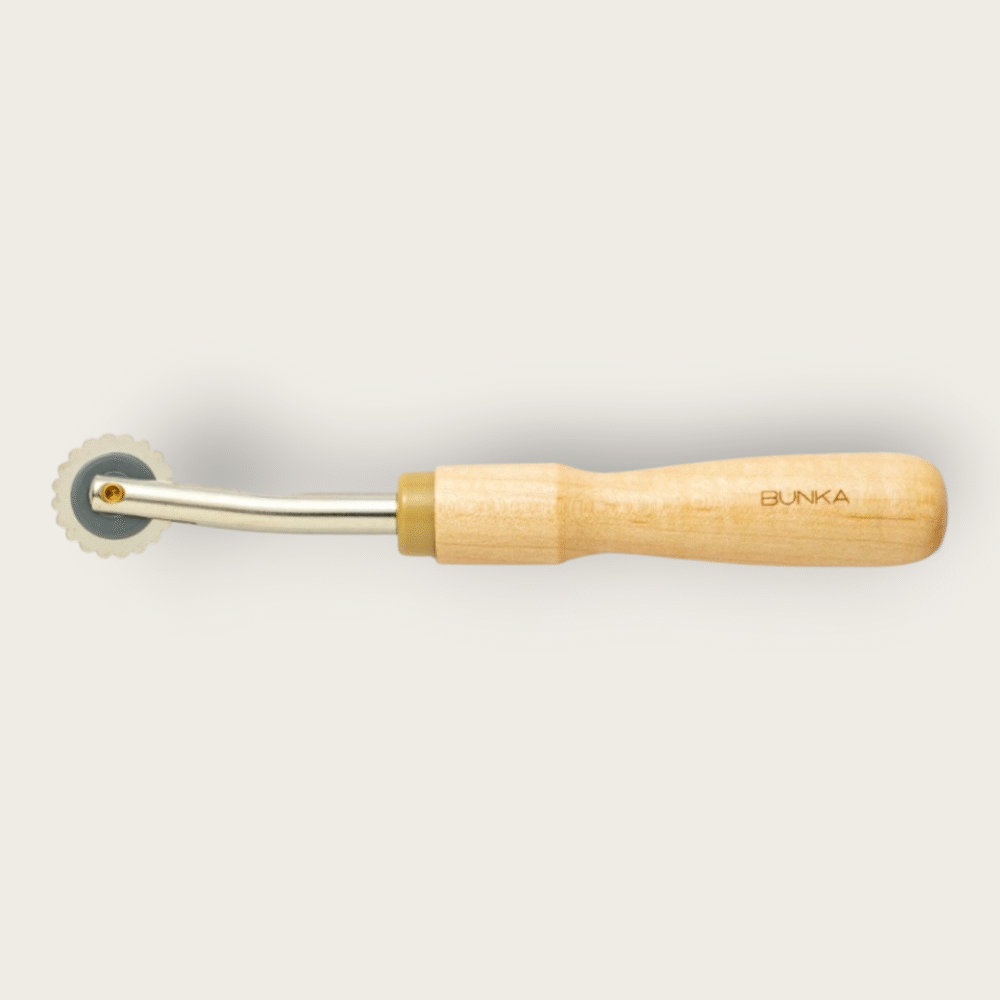
Flatten the original and secure the copying paper without covering essential marks. Use the tracing method appropriate to the papers involved. If using transfer paper, establish which side transfers before beginning the full piece.
Copy information in groups
Trace the outline, then check each category of mark in turn. Add the piece name, size, cutting instructions and any alteration notes. Keep seamline and cutting-line information distinct when both appear on the original.
Audit before separating
Compare the finished copy with the source while the layers are still aligned. Count the notches and locate every matching point. This brief review is easier than discovering a missing mark after fabric has been cut.
A practical example
A traced sleeve looks complete because its outline is clear. Compare it with the original and check the grainline, matching notches, size and cutting instruction. An outline alone cannot tell you how the piece is intended to join the rest of the garment.
Check before choosing
- Have I copied the grainline?
- Are seam and cutting lines distinguishable?
- Can this piece be identified on its own?
Related tools to compare
Compare the size, material and included parts on each product page against the task above.
 Bunka Tracing Wheel – Blunt Edge
 Clover Chaco Water-Erasable Tracing Paper
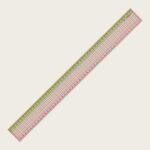 Bunka 50cm Pattern Ruler with Line
Meet the maker
For the company background, workshop photographs and more of the range, read Clover: An Osaka Shop, a Factory and a Leaf Kept in a Book.