
Sewing Tips & Tool Advice
Pattern Weights or Pins: Choosing How to Hold Fabric
Eight Needles Journal · Patternmaking
Weights hold a pattern from above; pins fasten layers together. Which works better depends on the fabric, pattern size and cutting method. Neither removes the need to check that the grain and all layers remain aligned.
Compare the holding methods
| Method | Useful for | Limitation |
|---|---|---|
| Pattern weights | Keeping paper flat while arranging, tracing or cutting | Layers can still move beneath the paper; check the contact surface |
| Pins | Fastening suitable fabric layers and controlling small sections | May leave holes or lift the paper; keep clear of blades |
| A combination | Weights across broad areas, tested pins at a difficult detail | More holders will not correct fabric that was stretched during layout |
With shears, the lower blade lifts the edge slightly as it advances. Check that this does not pull fabric out from under the weights. With a rotary cutter, keep the whole cutting area supported on a suitable mat and move holders before the blade reaches them.
What the product details tell you
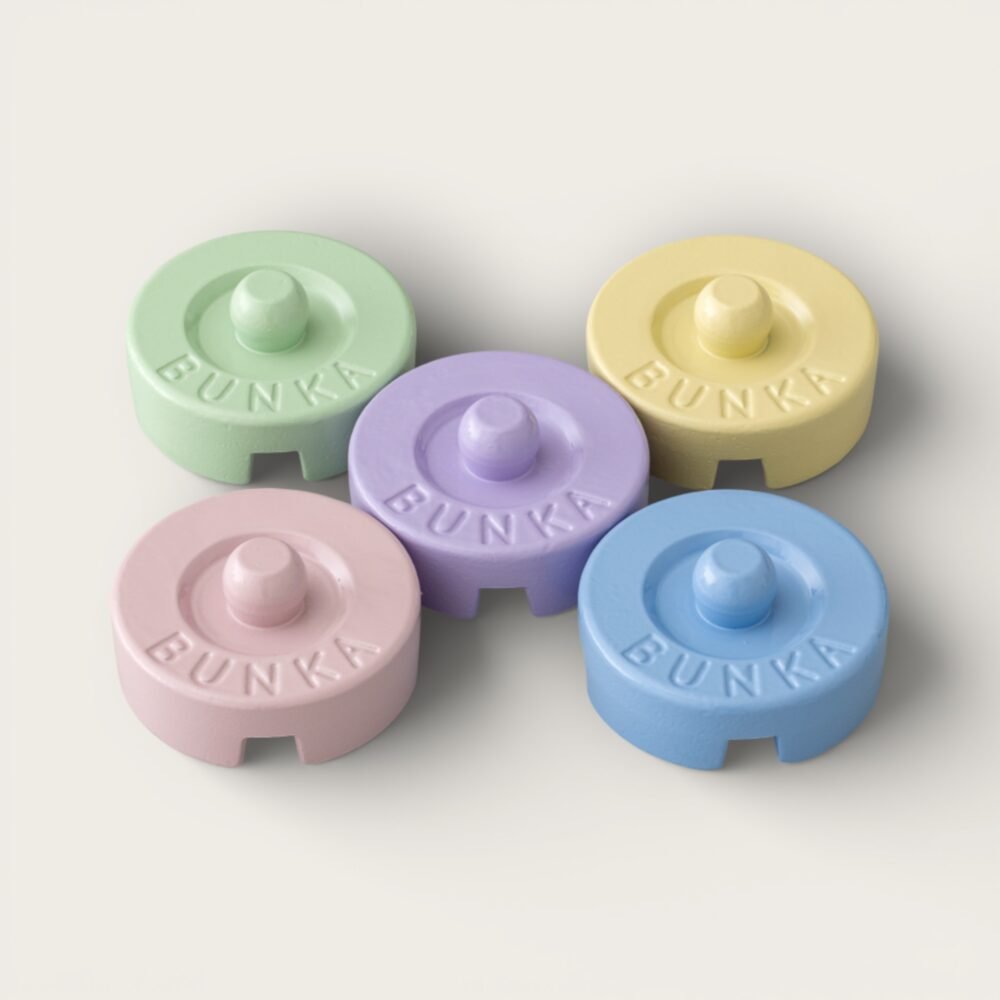
A Bunka Gelato weight is approximately 380g, 60mm across and 30mm high. A broad area may need several holding points; buying the heaviest single weight is not a substitute for distributing support. Bunka silk draping pins are 30mm long and 0.55mm thick, supplied by weight in a 10g pack. “Silk pin” does not guarantee an invisible result on every silk fabric.
Compare the underside as carefully as the top. A rough edge, damaged coating or dirty base can mark the work. Lift a weight to move it instead of dragging it. Some decorative metal paperweights have specific restrictions on direct fabric contact, so check the individual model.
Plan the cutting route
Position weights where they stabilise the paper without blocking the cutting path. Add support around smaller or awkward sections before moving another weight. With pins, place them where they will not meet a blade or distort the line you need to follow.
Test the fabric first
Some fabrics show pin marks or shift easily beneath paper. Try the holding method on an offcut and inspect it. A heavy weight is not automatically better if its contact area presses a mark into a delicate surface.
Set up before securing anything
- Support the full fabric length so an overhanging section cannot pull the layout sideways.
- Check the grainline, fold and pattern placement without stretching the cloth.
- Place holders at the areas most likely to lift or shift, including narrow extensions.
- Check both layers again, then cut one manageable section at a time.
For a pin test, remove the pin and look at the fabric in good light. Check both the hole and any pulled thread. A blunt or damaged pin should not be pushed harder through resistant fabric.
Keep the layout stable
Recheck the pattern after any significant repositioning. If one layer has moved, stop before cutting the next section. The useful question is not which method is universally best, but which keeps this particular layout flat and controlled.
A practical example
A lightweight fabric shifts as the paper pattern is arranged. Test pins and weights on an offcut first. Once you choose a method, stabilise the area beside the next cut before moving another holder. The useful test is whether the actual layout stays aligned, not whether the holders look evenly spaced.
Check before choosing
- Does the fabric show pin marks?
- Will the holder obstruct my cutting path?
- Are all layers still aligned?
Related tools to compare
Compare the size, material and included parts on each product page against the task above.
 Bunka Pattern/Fabric Weight – Gelato Pastels in 5 options
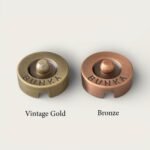 Bunka Pattern/Fabric Weight – Metallic in 2 options
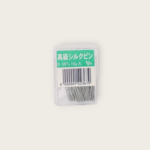 Bunka Silk Pins for Draping – 10g