
Sewing Tips & Tool Advice
Paperweights at the Pattern Table: What Matters?
Eight Needles Journal · Patternmaking
A paperweight earns its place at the pattern table by holding a sheet where you need it, while leaving room to work. Compare its footprint, contact surface and handling instructions as well as its weight.
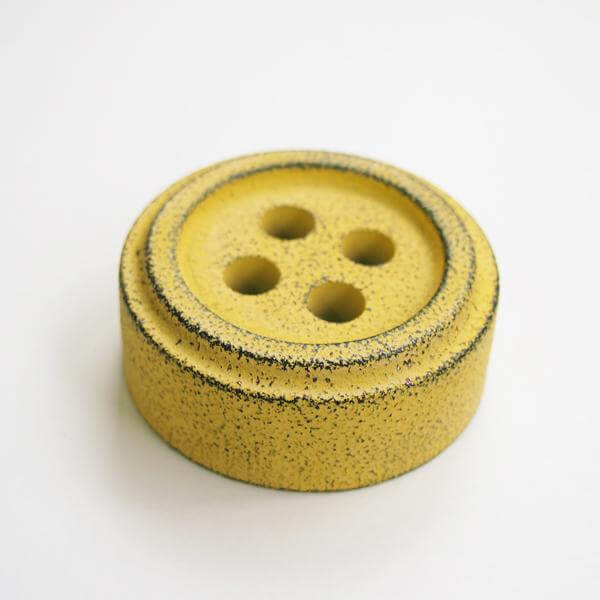
Three weights to compare
| Weight | Approximate size and mass | Practical distinction |
|---|---|---|
| Cohana Nambu iron | 60 mm diameter × 23 mm high; 360 g | Rigid button shape; stackable for storage. Do not place or slide it directly on fabric. |
| Cohana Yuzen leather | 70 × 70 × 20 mm; 200 g | Soft leather pouch filled with iron grains; keep dry and avoid damage to the seams. |
| Bunka Gelato Pastels | 60 mm diameter × 30 mm high; 380 g | Stackable iron pattern weight. Friction and impact can affect the painted finish. |
A 380 g weight is heavier than a 200 g one, but that alone does not make it better for every pattern. A broad, soft shape covers a different area from a compact iron disc. For narrow strips, check whether the weight fits without hiding the edge you need to trace.
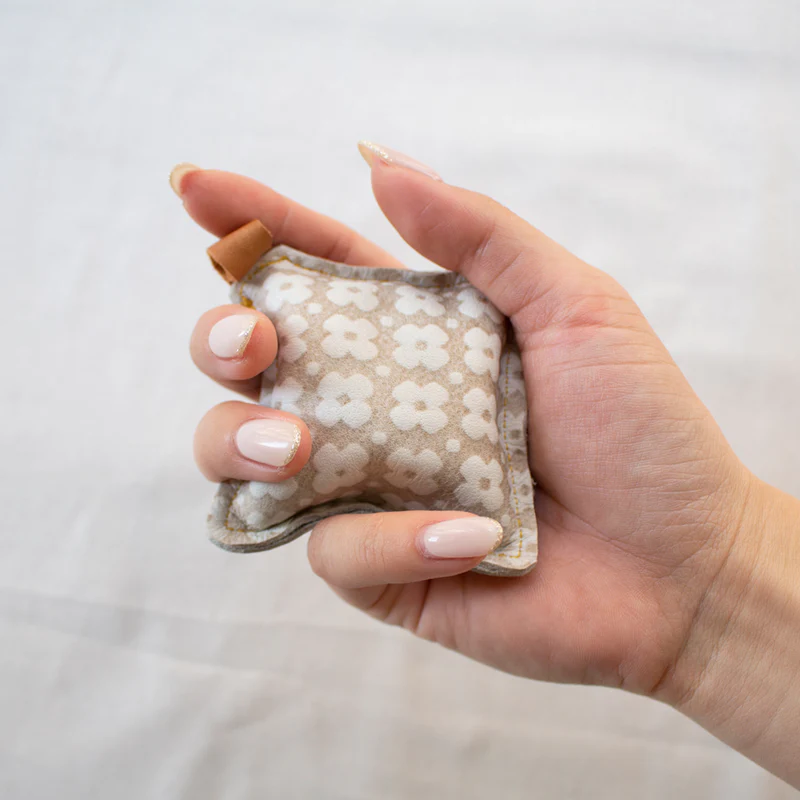
Check what may touch the fabric
Do not place or slide the Nambu iron weight directly on fabric. Friction can damage cloth or transfer colour. Twisting stacked weights against each other can also wear or transfer the finish. Avoid impacts and damp storage. Read these handling notes alongside the attractive product photographs.
For pattern work, arrange the job so the weight bears on the paper rather than exposed cloth. If your intended method requires direct contact with fabric, choose a holder explicitly suited to that use and follow its own instructions. A decorative desk weight and a fabric-cutting weight should not be assumed interchangeable.
Think about the shape of the pattern piece
Before adding weights, look at where the paper wants to lift or move. A long narrow strip needs a different arrangement from a broad bodice piece. Plan enough access to read the markings, align the pattern and reach the area you are working on.
Try the arrangement on an uncut paper copy first. If moving your ruler makes you repeatedly lift and replace the weight, consider changing its position. The most useful setup is one that supports the sequence of work, not simply the one with the heaviest object in the middle.
Place, lift and reposition
Smooth the paper first and place weights where it tries to lift or shift. Keep the grainline and working edge visible. If you need to move a weight, lift it rather than dragging it across the surface. Recheck the alignment before tracing or cutting; pressure from a ruler or your hand can still disturb the layout.
Several weights spread across a broad piece may be more useful than a tall stack in one spot. There is no fixed number that suits every project. Add only enough to keep the relevant area steady while leaving a clear cutting path and comfortable access.
Storage is part of the choice
If the table is shared with other activities, consider where the weight will live after the sewing session. Keep it somewhere stable, where it cannot roll or fall onto delicate tools. Clear the work surface before putting a new project down; a tidy arrangement from yesterday can still conceal thread ends or small scraps.
When comparing two weights online, check the actual dimensions and material rather than judging by photographs alone. A large close-up may make a compact object look much bigger than it is. The stated weight is useful, but it does not describe the contact surface or tell you how much of your pattern it will cover.
Compare holders for your pattern table
The listings below include the Cohana Nambu weight and other holders. Each has its own construction and handling instructions. Choose for the surface and task you intend to use it on.
 Cohana-Nambu Iron Paperweight in 6 colours
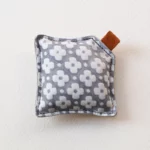 Cohana-Yuzen Leather Paperweight in 2 colours
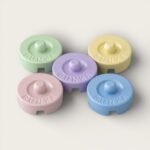 Bunka Pattern/Fabric Weight – Gelato Pastels in 5 options