
Sewing Tips & Tool Advice
How to Compare Sewing Tools Online Without Guessing
Eight Needles Journal · Workspace & gifts
Online photographs help you recognise a tool, but they cannot answer every question about fit or function. A reliable comparison uses the exact model, dimensions, included parts and instructions alongside the images.
Six differences that photographs can hide
| Tool | Compare | Do not assume |
|---|---|---|
| Fabric marker | Exact ink or lead type, line width and removal method | All white markers disappear the same way |
| Needle pack | Length, diameter, point, eye and quantity | A five-needle pack necessarily contains five sizes |
| Scissors | Overall length, blade length, handle and handedness | Overall length is the cutting length |
| Rotary refill | Blade diameter and named compatible cutter | Every blade of the same diameter fits |
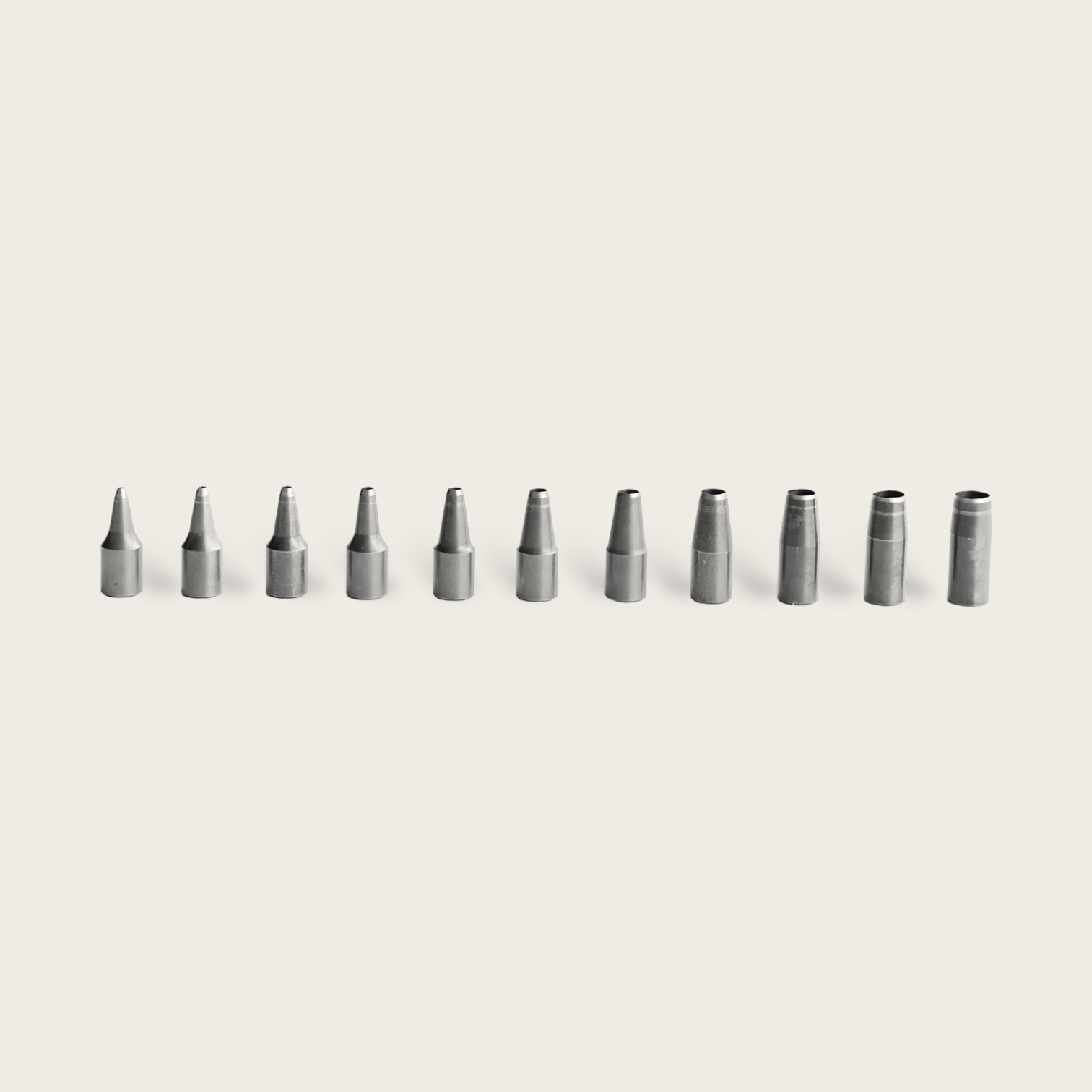
| Screw punch | Body only, body with a named blade, or replacement blade | The complete range pictured is included |
| Ruler or tape | Metric or imperial units, working length and scale | A half-scale drafting ruler is read like a full-size ruler |
Compare matching specifications
For shears, check length and handedness. For a refill, check model compatibility and diameter. For a screw punch, distinguish the body from the blade included in the package. Similar names can describe meaningfully different purchases.
Start with the operation you need to perform
“Mark dark fabric for a project I will wash” is a more useful requirement than “buy a white pen”. It gives you three checks: whether the line is visible, whether the pen suits that fabric, and whether its removal method fits the project. A marker that works well for one short task may be unsuitable when the line must remain for several weeks.
For a replacement, copy the model reference from the tool or packet. Sewline 0.9 mm refill leads belong to compatible refillable pencils; they are not a universal replacement for every Sewline marking product. Keep the old packaging until the correct replacement is identified.
Separate facts from impressions
A close-up photograph can show a detail but may not establish scale. A product being popular does not prove it is right for your hand or fabric. Write down the task and compare each candidate against that requirement.
Read a comparison for the conditions, too
A useful comparison shows the exact products, what material was used and what the writer actually tried. Owning several tools is different from testing them on the same cloth. A single favourable result does not establish compatibility with all fabrics, nor does a fault in one specimen prove that every item will fail.
Look for pictures of the working end, the scale or the tool in use. Styled group photographs help with appearance, but can include accessories, colour options or finished examples that are sold separately.
Resolve the missing detail
If a necessary specification is absent, ask before buying rather than filling the gap with an assumption. Keep the model reference and product page with your notes. This makes it easier to buy replacements or explain a question to the supplier later.
A practical example
Two listings have similar titles but one contains a handle alone and the other includes a working part. Compare the contents line by line before the price. A lower price is not a saving if the missing part must still be purchased for the task.
Check before choosing
- Is this the exact model?
- What is included?
- Which essential detail still needs confirmation?
Related tools to compare
Compare the size, material and included parts on each product page against the task above.
 Shozaburo tailor shears 24cm (Right-handed)
 Sewline Refill Leads 0.9mm
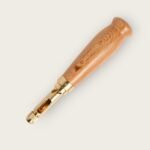 Nonaka Seisakujo Screw Punch – BODY ONLY