
No products in the basket.
Guides
When a Screw Punch Does Not Make a Clean Hole
Eight Needles Journal · Punching & finishing
An incomplete hole is a signal to check the setup before repeating the operation on the project. Blade condition, fitting, material and backing all deserve attention. Extra force is not a substitute for identifying the problem.
Return to scrap
Use a representative sample and the recommended backing. Confirm that the blade is the correct type and is fitted according to the instructions. Keep the tool upright and use the intended pressing action.
Inspect without touching the edge
Look for visible obstruction or damage and follow the maker's cleaning or replacement guidance. Do not put fingers into the cutting opening or improvise a sharpening method. Replace a damaged blade with the compatible part when required.
Know when to stop
If the tool still does not cut the sample cleanly, check the material suitability or ask the supplier for model-specific advice. Keep the failed sample and blade reference available. That evidence is more useful than repeatedly enlarging a hole in the finished work.
A practical example
The blade leaves an incomplete opening in a sample. Check that it is the correct part, fitted properly and used with suitable backing. If the problem remains, retain the sample and ask for model-specific advice instead of repeatedly forcing the mechanism.
Check before choosing
- Is the blade compatible and correctly fitted?
- Is the backing appropriate?
- Does the material suit the tool?
Related tools to compare
Compare the size, material and included parts on each product page against the task above.
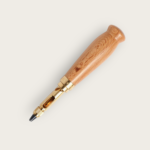 Nonaka Seisakujo Screw Punch with 3mm blade
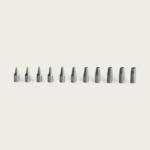 Nonaka Screwpunch Replacement blade – 1.0mm-5.0mm
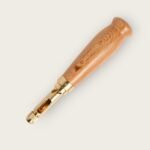 Nonaka Seisakujo Screw Punch – BODY ONLY
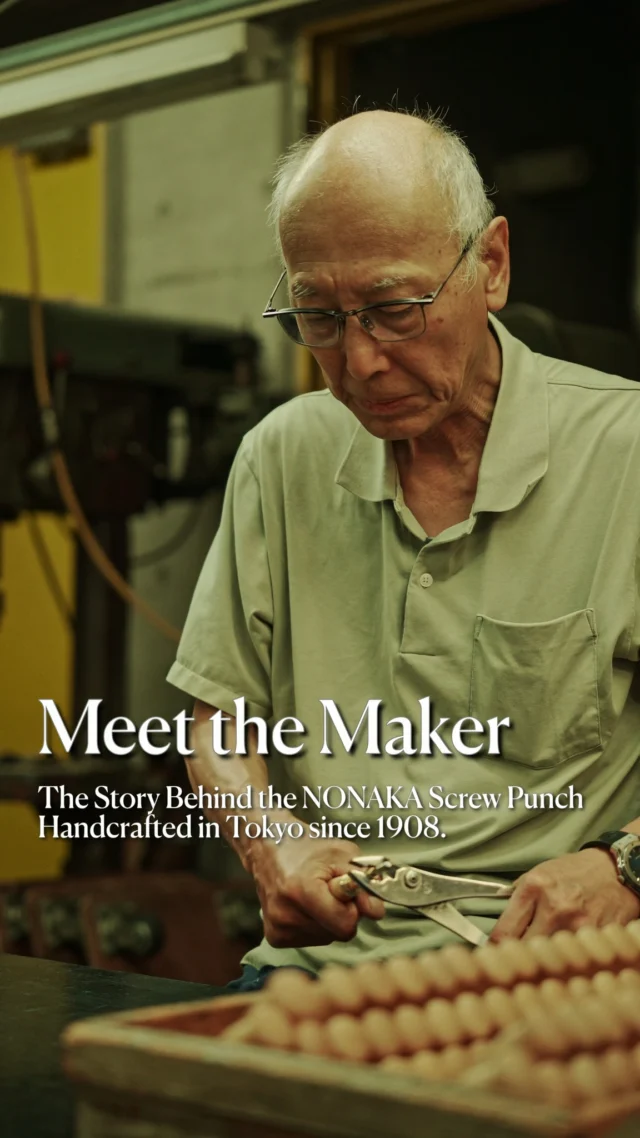
Meet the maker
For the company background, workshop photographs and more of the range, read Nonaka: The Japanese Screw Punch.
