No products in the basket.
Guides
Pattern Weights or Pins: Choosing How to Hold Fabric
Eight Needles Journal · Patternmaking
Weights hold a pattern from above; pins fasten layers together. Which works better depends on the fabric, pattern size and cutting method. Neither removes the need to check that the grain and all layers remain aligned.
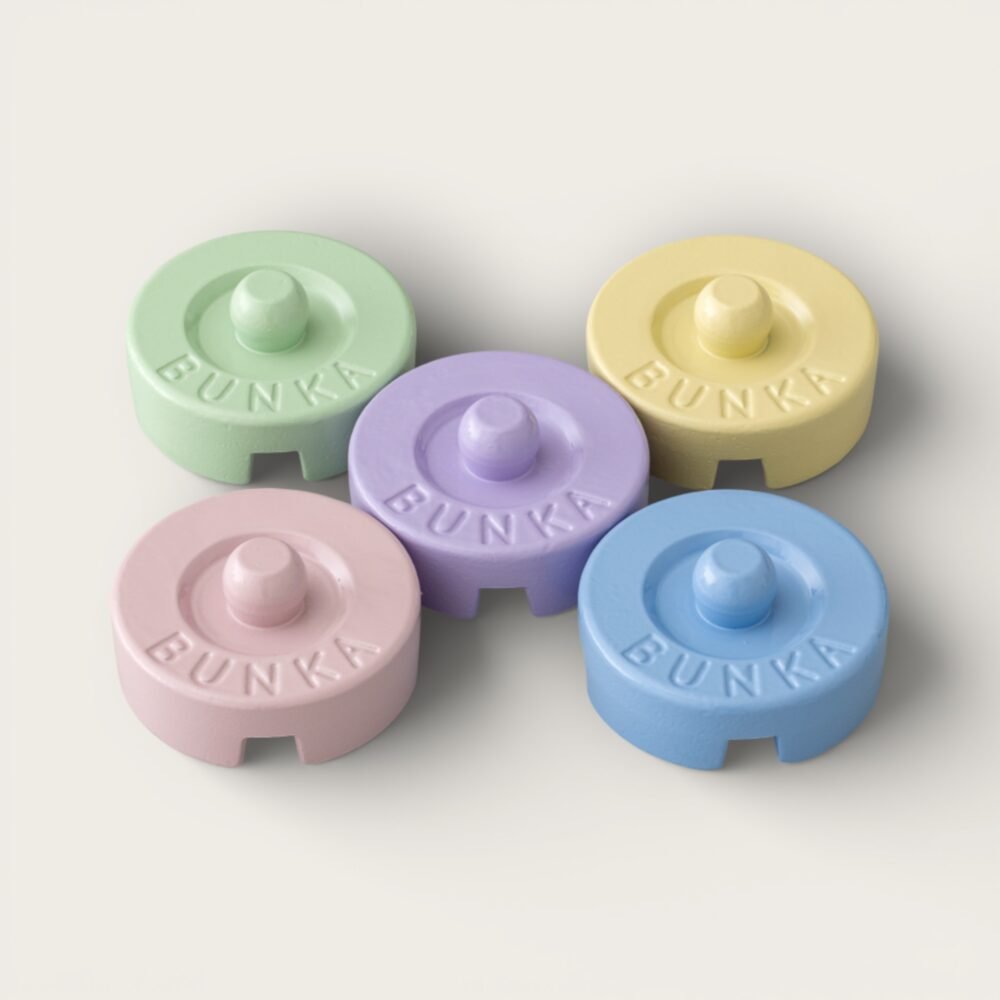
Plan the cutting route
Position weights where they stabilise the paper without blocking the cutting path. Add support around smaller or awkward sections before moving another weight. With pins, place them where they will not meet a blade or distort the line you need to follow.
Test the fabric first
Some fabrics show pin marks or shift easily beneath paper. Try the holding method on an offcut and inspect it. A heavy weight is not automatically better if its contact area presses a mark into a delicate surface.
Keep the layout stable
Recheck the pattern after any significant repositioning. If one layer has moved, stop before cutting the next section. The useful question is not which method is universally best, but which keeps this particular layout flat and controlled.
A practical example
A lightweight fabric shifts as the paper pattern is arranged. Test pins and weights on an offcut first. Once you choose a method, stabilise the area beside the next cut before moving another holder. The useful test is whether the actual layout stays aligned, not whether the holders look evenly spaced.
Check before choosing
- Does the fabric show pin marks?
- Will the holder obstruct my cutting path?
- Are all layers still aligned?
Related tools to compare
Compare the size, material and included parts on each product page against the task above.
 Bunka Pattern/Fabric Weight – Gelato Pastels in 5 options
 Bunka Pattern/Fabric Weight – Metallic in 2 options
 Bunka Silk Pins for Draping – 10g
Meet the maker
For the company background, workshop photographs and more of the range, read Bunka: The People, Classrooms and Tools Behind a Century of Making Clothes.